
Restful Sleep Starts Right Here at Your Nashua Dental Office
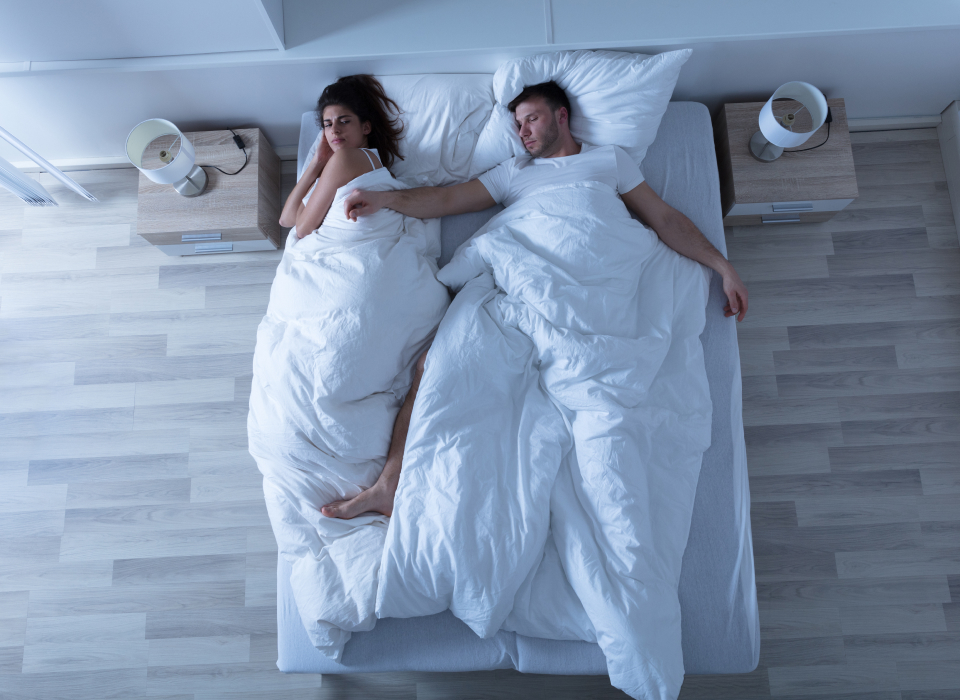
If you or your partner is lying awake because of loud, persistent snoring, you’re not alone—and you don’t have to keep suffering through sleepless nights. At the Center for Dental Sleep Health in Nashua, NH, Dr. Stephen Ura and our dedicated team offer comfortable, personalized snoring treatments designed to help patients across Southern New Hampshire finally get the quality sleep they deserve.
Whether you’re searching for a sleep dentist near you, wondering if your snoring is something more serious, or simply ready to stop rattling the walls, we’re here for you. Our dental office proudly serves patients in Nashua, Hudson, Merrimack, Milford, and surrounding communities throughout Hampshire County and greater Southern New Hampshire. Call our dental office in Nashua at (603) 886-4300 or use our online form to schedule your consultation today.
Snoring Is More Than Just a Noisy Nuisance
Snoring happens when airflow through the upper airway becomes restricted. As air forces its way past relaxed soft tissue in the throat—including the tongue, soft palate, and uvula—those tissues vibrate, creating the familiar rumbling sound that keeps households awake at night.
Occasional snoring is common. But if you’re snoring most nights, waking up with a headache, feeling fatigued no matter how many hours you sleep, or experiencing irritability and mood changes throughout the day, your body may be signaling something more serious.
Chronic snoring is one of the primary warning signs of obstructive sleep apnea (OSA)—a breathing disorder where the airway repeatedly collapses during sleep, cutting off oxygen to the brain and vital organs. Left untreated, sleep apnea has been linked to a significantly elevated risk of cardiovascular disease, high blood pressure, heart failure, diabetes, weight gain, and a measurable decline in overall quality of life.
For many patients, snoring isn’t just a noise problem. It’s a health problem—and it deserves real, professional treatment.


What’s Causing Your Snoring?
Before recommending treatment, Dr. Ura assesses the causes of your snoring, which can vary among patients. Common contributors include:
- Anatomy and Soft Tissue Structure: The size and position of soft tissues like the tongue and tonsils can restrict airflow, especially in patients with narrow airways or excess throat tissue.
- Age and Muscle Tone: Aging decreases muscle tone, including in the throat, allowing tissues to collapse and block the airway during sleep.
- Obesity and Weight: Extra weight around the neck increases pressure on the airway, making obesity a significant contributor to snoring and sleep apnea. Weight loss can reduce snoring severity.
- Sleep Position: Sleeping on your back can cause the tongue and soft palate to obstruct the airway. Changing sleep positions may help but may not be enough for moderate to severe sleep apnea.
- Nasal Congestion and Structural Issues: Allergies, a deviated septum, or sinus issues can lead to mouth breathing, increasing the risk of snoring. Treating nasal obstructions is often necessary.
- Lifestyle Habits: Alcohol relaxes throat muscles, worsening snoring, while smoking irritates airways, leading to congestion. Both habits are linked to increased snoring.
- Insomnia and Sleep Disorders: Poor sleep quality can worsen snoring by increasing muscle fatigue and disrupting sleep patterns.
Could It Be Sleep Apnea? Knowing the Signs
Not all snoring indicates sleep apnea—but many patients with OSA don’t know they have it until a partner reports observed pauses in their breathing, gasping episodes, or choking sounds during the night. Here are the symptoms to watch for:
- Loud, chronic snoring most or every night
- Pauses in breathing witnessed by a bed partner
- Gasping or choking during sleep
- Morning headaches upon waking
- Excessive daytime fatigue regardless of time spent in bed
- Shortness of breath that wakes you from sleep
- Irritability, mood changes, or difficulty concentrating
- Elevated blood pressure or other cardiovascular concerns
- Frequent nighttime waking or insomnia
Obstructive sleep apnea causes drops in blood oxygen levels every time breathing pauses. Over months and years, these repeated episodes of oxygen deprivation put real stress on the heart, lungs, and brain—contributing to increased heart rate, elevated blood pressure, and long-term cardiovascular disease risk. Patients with untreated OSA are also at significantly higher risk for diabetes and metabolic disorders.
If you recognize these symptoms in yourself or a loved one, please don’t wait. A formal diagnosis is the critical first step toward treatment—and your health is worth it.


Getting Diagnosed With Sleep Studies in Nashua, NH
At our Nashua dental office, we make the diagnostic process as convenient and accessible as possible. Dr. Ura works closely with certified sleep medicine specialists to help patients access the testing they need without the long wait times or logistical headaches common at larger medical centers.
We offer two primary pathways to diagnosis:
- In-Lab Sleep Study (Polysomnography): Conducted at a certified sleep center, a full polysomnography is the gold standard for diagnosing sleep disorders. It measures brain activity, heart rate, oxygen levels, breathing patterns, and more while you sleep, giving clinicians a comprehensive picture of what’s happening during the night.
- Home Sleep Test (HST): For many patients, a home sleep test offers a convenient, cost-effective alternative for diagnosing obstructive sleep apnea. You’ll wear a small monitoring device in the comfort of your own bed, and the data is reviewed by our clinical team. Home sleep tests are well-suited for patients with moderate-to-high OSA probability and no significant complicating health conditions.
Once we have your results from the sleep test, Dr. Ura will create a personalized treatment plan built around your specific diagnosis, anatomy, lifestyle, and preferences. If you’ve already received a sleep apnea diagnosis elsewhere and aren’t sure what to do next, we can help with that too—call (603) 886-4300 to get started.
Snoring and Sleep Apnea Treatments at Our Nashua Dental Office
We believe every patient deserves a treatment that actually fits their life. That’s why we offer a full spectrum of solutions for snoring and sleep apnea, ranging from lifestyle modifications to advanced oral appliance therapy and surgical options for severe cases.
For some patients, targeted lifestyle changes can produce meaningful improvements in snoring and breathing quality:
- Weight loss: Reducing excess tissue around the throat and neck lowers pressure on the airway and can significantly decrease snoring severity.
- Eliminating alcohol before bed: Avoiding alcohol 3–4 hours before sleep helps preserve muscle tone in the throat, reducing airway collapse.
- Quitting smoking: Smoking cessation reduces airway inflammation, improves breathing, and decreases nasal congestion.
- Positional therapy: Sleeping on your side rather than your back keeps the tongue and soft tissues from collapsing into the airway.
- Treating nasal congestion: Nasal sprays, nasal strips, or treatment for underlying allergies can help restore nasal breathing and reduce mouth breathing during sleep.
While lifestyle changes are an important part of the picture, they’re rarely sufficient on their own for patients with diagnosed obstructive sleep apnea.
For patients with mild to moderate obstructive sleep apnea—and for many chronic snorers without an OSA diagnosis—oral appliance therapy is often the most comfortable, practical, and effective treatment available.
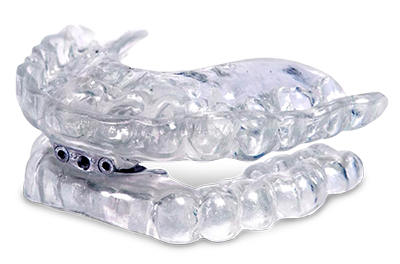
Oral appliances are custom-fitted devices worn during sleep, similar in feel to a mouthguard or an orthodontic retainer. They work by gently repositioning the mandible (lower jaw) and tongue forward, increasing the space behind the throat and preventing soft tissue from collapsing into the airway. By maintaining open airflow throughout the night, oral appliances eliminate the tissue vibration that causes snoring and reduce or eliminate the breathing pauses associated with sleep apnea.
Advantages of oral appliance therapy for Nashua-area patients:
- Comfortable and unobtrusive—much less invasive than CPAP machines
- Custom-made specifically for your mouth, jaw, and bite using professional dental-grade materials
- Highly portable—fits in a small case for travel
- Quiet and partner-friendly
- High patient adherence—patients are far more likely to actually use an oral appliance every night compared to CPAP
- Easy to care for—can be cleaned like a dental retainer
Oral appliances from our Nashua dental office are not the generic, one-size-fits-all devices you’ll find at a pharmacy. Dr. Ura uses precise dental impressions and digital measurements to craft an appliance that fits your anatomy exactly. Properly fitted professional appliances last 3 to 5 times longer than over-the-counter alternatives and can be adjusted over time to optimize both comfort and therapeutic effectiveness.
Continuous positive airway pressure (CPAP) remains the most widely prescribed treatment for moderate-to-severe obstructive sleep apnea. A CPAP machine delivers a constant stream of pressurized air through a mask, physically keeping the airway open during sleep. For patients who tolerate it well, CPAP is highly effective.
However, CPAP therapy has a well-documented adherence problem. Many patients find the mask uncomfortable, the noise disruptive, or the equipment inconvenient—leading them to stop using it. If you’ve tried CPAP and found it difficult to tolerate, you are far from alone, and oral appliance therapy may be an excellent alternative for your level of apnea severity.
Dr. Ura can work in collaboration with your primary care physician or sleep medicine specialist to determine whether oral appliance therapy is appropriate as a standalone treatment or as a complement to CPAP.
For patients with severe obstructive sleep apnea or those for whom both CPAP and oral appliance therapy have been ineffective, surgical options may be recommended. These can include:
- Palatal implants—small implants placed in the soft palate to stiffen the tissue and reduce vibration
- Laser-assisted procedures—to reduce excess soft tissue and airflow resistance in the throat
- Uvulopalatopharyngoplasty (UPPP) and other surgical approaches—typically referred to an ENT specialist or university-affiliated sleep center in collaboration with our office
Dr. Ura will always discuss all appropriate options clearly and honestly and will refer patients to trusted specialists when surgical evaluation is warranted.
Why Patients Across Southern New Hampshire Choose Dr. Ura
Dr. Ura’s advanced training in dental sleep medicine means that snoring and sleep-related breathing disorders aren’t a side service—they’re a specialty. Every aspect of care, from diagnosis through follow-up, is guided by current evidence-based medicine and a deep understanding of how oral and dental health intersect with sleep health.
No two patients snore for exactly the same reasons, and no two treatment plans look exactly alike. Dr. Ura takes the time to understand your specific anatomy, health history, lifestyle, and goals before recommending any course of treatment. You’ll never feel like just another appointment.
Our Northeastern Boulevard location offers ample parking, early morning and evening hours, and all treatment services—from initial consultation through years of follow-up care—under one roof. Nashua patients never need to travel to Boston or Manchester for adjustments, rechecks, or follow-up appliance fittings.
As a Medicare DME provider in Southern New Hampshire, we have deep experience navigating insurance requirements for sleep apnea treatments. Many insurance plans, including medical insurance, cover oral appliances for diagnosed sleep apnea, and we’ll verify your benefits before treatment begins. For patients whose snoring isn’t linked to a covered diagnosis, we offer flexible financing options through CareCredit and LendingClub.
The Health Consequences of Untreated Snoring and Sleep Apnea
It can be tempting to delay treatment for sleep issues, but untreated obstructive sleep apnea (OSA) has serious health consequences. Chronic oxygen deprivation can stress the heart and vascular system, leading to high blood pressure, heart failure, cardiovascular disease, and stroke. It also affects brain function, causing cognitive fog, memory issues, and mood disruptions.
Disrupted sleep impacts appetite and metabolism, contributing to weight gain and complicating weight loss, creating a cycle with obesity and OSA. Additionally, untreated sleep apnea increases the risk of diabetes due to impaired glucose regulation. The overall quality of life suffers from chronic fatigue, irritability, strained relationships, and reduced productivity.
Treating your snoring is essential for your health. Start the conversation at our Nashua dental office.

Frequently Asked Questions
Do I need a referral to see a sleep dentist near me in Nashua?
No referral is required to schedule a consultation at our Nashua dental office. However, if you’ve already been evaluated by your primary care physician or a pulmonologist, please bring any existing records or test results—they’ll help us develop your treatment plan more efficiently.
How is oral appliance therapy different from a store-bought mouthguard for snoring?
Over-the-counter snoring mouthguards use a generic, one-size-fits-most design that can cause jaw pain, bite changes, and tooth discomfort—leading most patients to abandon them quickly. Our professional oral appliances are custom-fabricated from dental-grade materials based on precise impressions of your teeth and jaw. They’re adjustable, comfortable, and built to last. More importantly, they’re designed to treat the specific anatomical cause of your snoring—not just muffle the noise.
What if I've already been diagnosed with sleep apnea, but I can't tolerate my CPAP?
You have options. Oral appliance therapy is recognized as an effective treatment for mild-to-moderate obstructive sleep apnea, and it’s often the right choice for patients who struggle with CPAP adherence. Dr. Ura can work with your sleep medicine team to determine whether transitioning to an oral appliance—or combining both therapies—is appropriate for your severity level.
Will my insurance cover snoring treatment at your Nashua dental office?
Many medical insurance plans, including Medicare, cover oral appliances for sleep apnea when the patient has a documented diagnosis. Coverage for snoring treatment without a sleep apnea diagnosis varies by plan. As a Medicare DME provider in Southern New Hampshire, we’re experienced at verifying benefits and navigating the insurance process on your behalf. We’ll check your coverage before you commit to any treatment.
How long does it take to see results from oral appliance therapy?
Most patients notice improvement in snoring and sleep quality within the first few nights of wearing their appliance. Full therapeutic benefit—including measurable improvements in blood pressure, daytime energy, mood, and cognitive function—typically develops over several weeks as the appliance is fine-tuned for optimal positioning and comfort.
Get the Sleep You Deserve—Schedule Your Consultation in Nashua, NH
You’ve been living with disrupted sleep long enough. At the Center for Dental Sleep Health, Dr. Ura and our team are committed to helping you breathe better, sleep better, and feel better—with treatments that are comfortable, evidence-based, and built around your life.
We serve patients throughout Nashua, Hudson, Merrimack, Milford, and the greater Southern New Hampshire region. Whether you’re a new patient or you’ve been searching for a dentist near you who truly specializes in sleep health, we’re ready to help. Call our dental office in Nashua at (603) 886-4300 to schedule your sleep consultation. Don’t let another night of snoring stand between you and the rest—and the health—you deserve.