Effective Strategies for CPAP Side Effect Relief Near You
Continuous Positive Airway Pressure (CPAP) therapy is one of the most effective treatments for obstructive sleep apnea (OSA), a chronic sleep-related breathing disease that affects overall health, oxygen levels, and quality of life. By delivering positive airway pressure, CPAP machines help keep the airway open, improve oxygen saturation, reduce snoring, and protect the brain, heart, and blood pressure during sleep.
However, many patients in Nashua, NH, and surrounding communities experience CPAP side effects that interfere with comfort, adherence, and long-term success.
At the Center for Dental Sleep Health located within Levesque Dentistry, Dr. Tara Levesque-Vogel and Dr. Keith Levesque, trusted dentists in Nashua, NH, help patients manage CPAP-related discomfort and explore alternative sleep apnea therapies when needed. If CPAP is affecting your sleep, mood, or daily energy, call (603) 886-4300 to schedule a consultation at our Nashua dental office.
What Is CPAP Therapy?
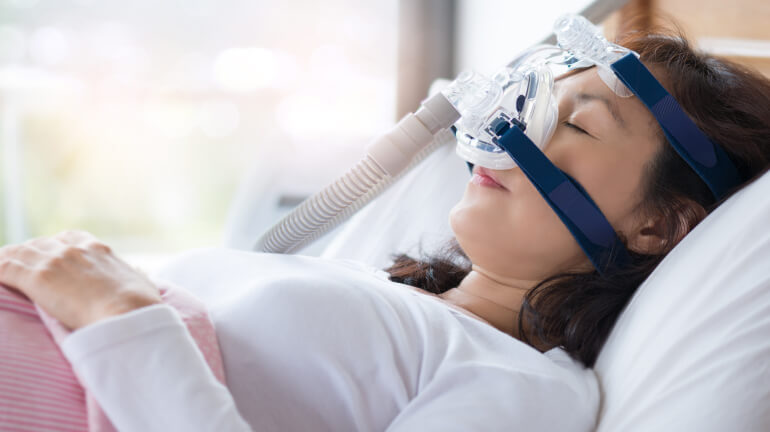
CPAP therapy uses a bedside machine that delivers a steady stream of pressurized air through a mask worn over the nose, mouth, or both. This airflow prevents airway collapse during exhalation and inhalation, allowing uninterrupted breathing throughout the night.
CPAP therapy is commonly prescribed for moderate to severe sleep apnea and is supported by organizations like the American Academy of Sleep Medicine. When used consistently, CPAP can:
- Reduce snoring and sleep fragmentation.
- Improve fatigue, insomnia, and sleep deprivation.
- Lower risks associated with untreated sleep apnea, including high blood pressure, diabetes, heart disease, and stroke.
- Improve mood, focus, and long-term brain health.
That said, side effects are one of the biggest barriers to CPAP adherence—and they’re very common.
Common CPAP Side Effects Patients Experience
CPAP side effects vary by patient, mask style, pressure settings, and underlying health conditions. Common issues include:
- Mask discomfort or poor fit (pressure points, leaks, strap irritation)
- Dry mouth, throat, or nose, especially with mouth breathing
- Nasal congestion, sinusitis, or nosebleeds
- Skin irritation, dermatitis, or allergic reactions
- Claustrophobia, anxiety, or difficulty sleeping with headgear
- Aerophagia (air swallowing) causes bloating, belching, stomach pain, or flatulence.
- Eye irritation from air leaks
- Noise sensitivity from the machine or the airflow
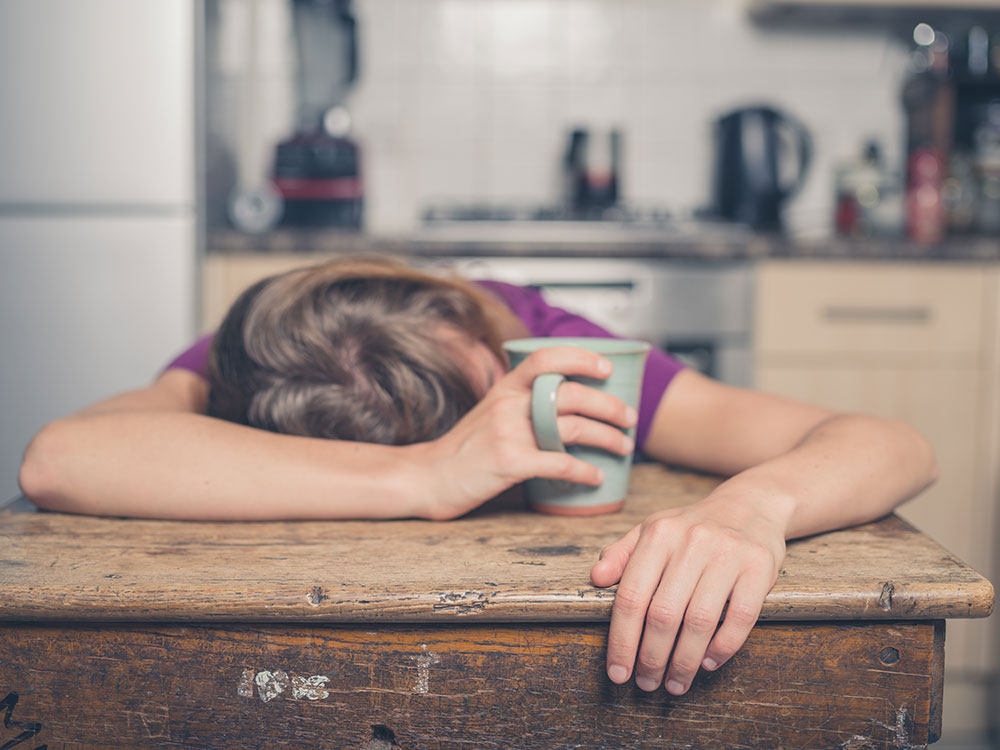
Left unaddressed, these issues can reduce CPAP use and negatively impact treatment outcomes.

How to Treat and Prevent Common CPAP Side Effects
Mask-Related Discomfort and Pressure Pain
A properly fitted mask is essential for comfort and effective therapy.
What helps:
- Adjust the strap tension to avoid pressure on the nose, chin, or mandible
- Ensure the cushion sits flat against the skin with no wrinkles
- Try different mask types:
- Nasal masks for nose breathers
- Full-face masks for mouth breathing
- Nasal pillow masks for minimal facial contact
Helpful additions:
- Silicone or fabric mask liners
- Glasses-friendly designs for nighttime wear
- Re-fitting if you’ve experienced weight loss or facial changes
Dry Mouth, Throat, or Nose
Dryness is one of the most common CPAP side effects and often relates to airflow, humidity, or mouth breathing.
Solutions include:
- Using a heated humidifier with distilled water
- Adjusting humidity levels to prevent dryness or condensation
- Switching to a full-face mask or adding a chin strap
- Staying well hydrated throughout the day
Adequate moisture protects nasal tissue, reduces inflammation, and improves comfort.
Nasal Congestion, Sinus Pressure, and Nosebleeds
CPAP airflow can aggravate nasal passages, especially for patients with allergies, sinusitis, or chronic nasal congestion.
Relief strategies:
- Saline spray or nasal rinse before bed
- Heated humidification to reduce inflammation
- Ensuring filters are clean to minimize allergens
- ENT evaluation if symptoms persist
Avoid medicated nasal sprays unless recommended by a health care provider.
Skin Irritation, Allergies, and Dermatitis
Redness, itching, or skin breakdown can occur from friction, pressure, or sensitivity to mask materials.
Prevention tips:
- Daily mask hygiene with mild soap and water
- Hypoallergenic mask materials or liners
- Barrier creams (approved for CPAP use)
- Rotating mask styles to reduce repeated pressure
Persistent skin irritation should be evaluated by your dentist or medical doctor.
Claustrophobia, Anxiety, and Sleep Disruption
Feelings of claustrophobia or anxiety are especially common in new CPAP users and can affect sleep quality and mood.
What helps most:
- Gradual acclimation (wearing the mask while awake)
- Relaxation techniques such as meditation or deep breathing
- Using a white noise machine to reduce awareness of airflow
- Support from a knowledgeable sleep health provider
You’re not failing CPAP—the therapy may simply need adjustment.
Air Swallowing, Bloating, and GERD Symptoms
Some patients experience aerophagia, where air enters the stomach and esophagus, leading to bloating, belching, or worsening gastroesophageal reflux disease (GERD).
Helpful adjustments:
- Pressure titration by a medical professional
- Different mask styles
- Sleeping position changes
- Evaluation for alternative therapies
Oral Appliance Therapy: How Does It Work?
If CPAP side effects continue despite adjustments, oral appliance therapy may be a comfortable and effective alternative for patients with mild to moderate sleep apnea.
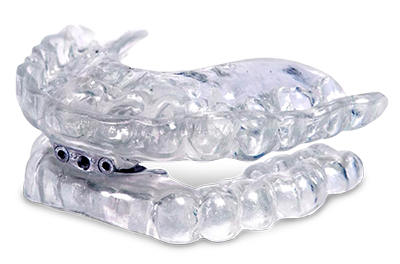
Custom dental appliances:
- Reposition the jaw and tongue to keep the airway open
- Are quiet, portable, and easier to tolerate
- Improve adherence and overall quality of life
Dr. Vogel and Dr. Levesque specialize in dental sleep medicine and work closely with sleep physicians to provide evidence-based alternatives tailored to each patient. They are supported by Dr. Stephen Ura, who has over 30 years of experience in dental sleep medicine and continues to mentor our team.
Frequently Asked Questions
How often should I clean my CPAP equipment?
CPAP masks and cushions should be cleaned daily. Tubing and humidifier chambers should be cleaned weekly using mild soap and distilled water.
Can insurance or Medicare cover alternative sleep apnea treatment?
Yes. Many medical insurance plans and Medicare cover oral appliance therapy when CPAP is not tolerated. Our clinic in Nashua can help verify your insurance coverage.
Should I change CPAP settings on my own?
No. CPAP pressure changes should only be made by a qualified health care provider to avoid reduced oxygen delivery or worsening symptoms.
Is CPAP safe if I have COPD, diabetes, or high blood pressure?
Yes, CPAP is commonly used in patients with chronic conditions and can significantly improve long-term health outcomes when properly managed.
Take Control of Your Sleep Apnea Treatment Near You
You deserve effective sleep apnea treatment without discomfort, pain, or frustration. If CPAP side effects are affecting your sleep, health, or adherence, expert help from our Nashua sleep apnea dentists is available. Schedule a consultation at Center for Dental Sleep Health in Nashua, NH, at (603) 886-4300. We proudly serve patients in Nashua, Hudson, Merrimack, Milford, and surrounding New Hampshire communities.