Get Your Connection and Your Sleep Back With Proper Treatment
You already know sleep apnea is hard on the person who has it. But here’s what doesn’t get talked about enough: it’s just as hard on the person sleeping next to them. If your relationship has felt more strained lately—more arguments, less closeness, separate bedrooms—sleep apnea may be at the center of it, even if neither of you has made that connection yet.
At the Center for Dental Sleep Health located within Levesque Dentistry in Nashua, NH, Dr. Tara Vogel and Dr. Keith Levesque work with couples throughout the Greater Nashua area, including Hudson, Merrimack, and Milford, to diagnose and treat sleep apnea so both partners can finally sleep well again. If you’re looking for a sleep apnea dentist near you, we’re here to help. Call us at (603) 886-4300 or read on to understand exactly what’s happening and why treatment changes everything.
What Is Sleep Apnea — and Why Does It Affect Both Partners?
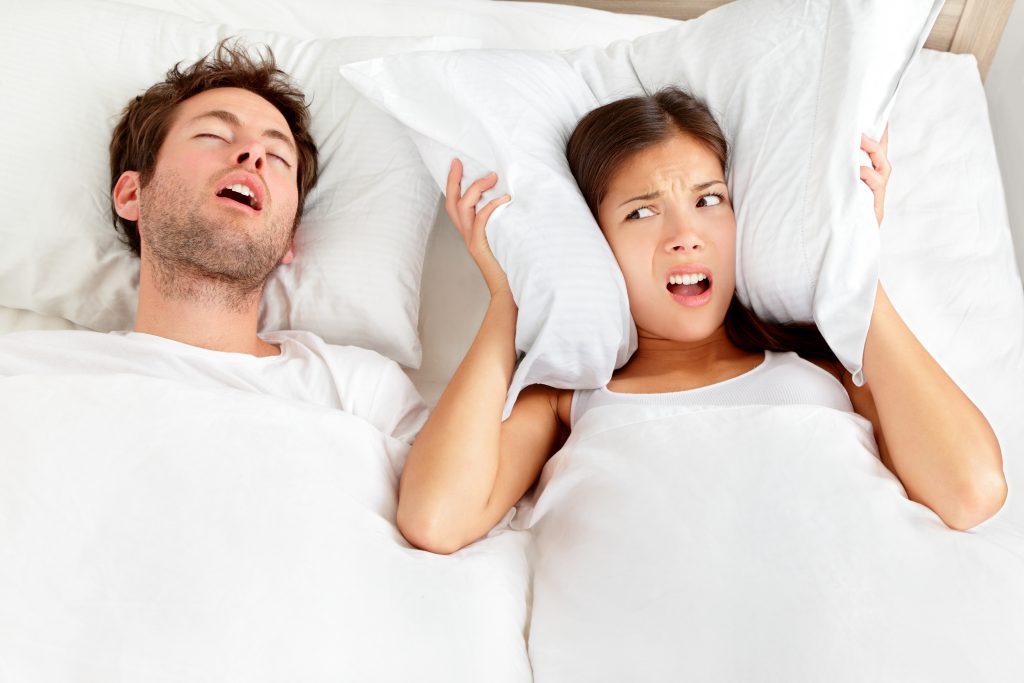
Obstructive sleep apnea (OSA) is a sleep disorder in which the airway repeatedly collapses during sleep, causing breathing to stop—sometimes hundreds of times per night. Each pause triggers a micro-awakening that prevents deep, restorative sleep. The person with sleep apnea often has no memory of these events. Their partner, however, is awake for all of them.
Sleep apnea affects an estimated 30 million adults in the U.S., and approximately 80% of cases remain undiagnosed. That means millions of couples are struggling with the relationship consequences of a condition they haven’t even named yet.
The most visible symptom is loud, chronic snoring—but sleep apnea also causes gasping, choking sounds, and sudden silences in breathing that can be genuinely frightening to witness. If your partner has pointed out that you stop breathing at night, that’s not something to brush off. It’s a medical symptom that warrants evaluation.
The “Sleep Divorce” Conversation Couples Are Having
A 2025 survey by the American Academy of Sleep Medicine found that nearly one-third (31%) of American adults have opted for what’s been widely called a “sleep divorce” — sleeping in separate rooms or separate beds to accommodate a disruptive bed partner. Among adults aged 35 to 44, that number climbs to 39%.
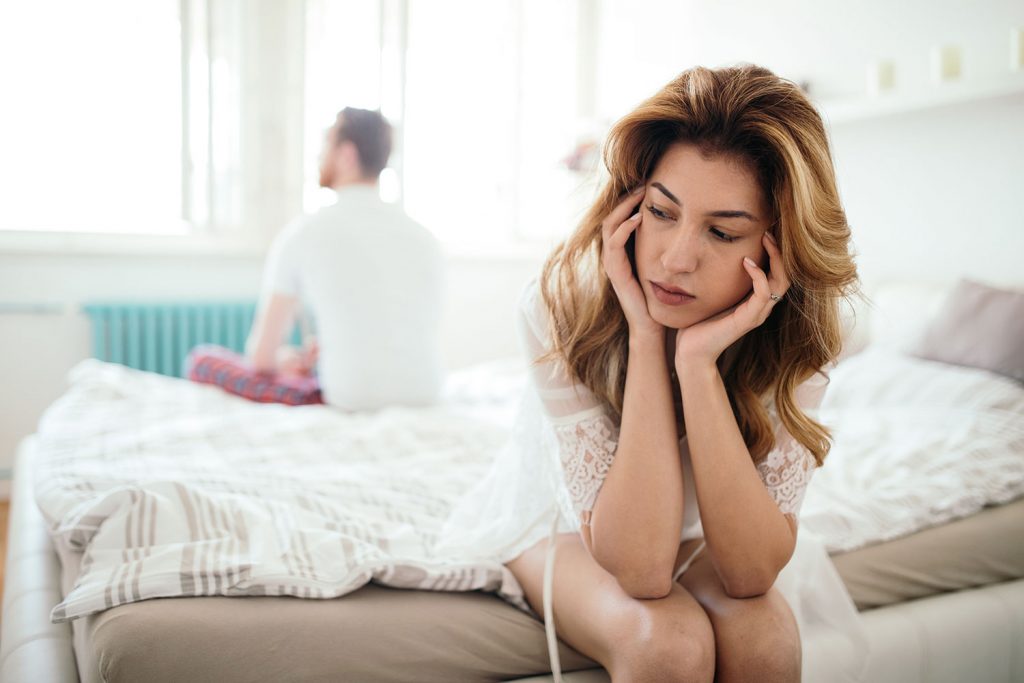
A sleep divorce isn’t a sign of a failing relationship. In many cases, it’s a rational response to a medical problem. But it does carry real costs. Sleeping apart reduces physical closeness, limits spontaneous intimacy, and can quietly erode emotional connection over time. The AASM’s own researchers note that when couples sleep separately due to snoring, resentment can build — and poor sleep reduces empathy, patience, and communication skills in both partners.
If you and your partner have moved to separate rooms, or you’ve been considering it, the underlying cause is worth investigating. Snoring that’s loud enough to displace a partner is often a red flag for obstructive sleep apnea—a treatable condition.
How Untreated Sleep Apnea Damages Relationships
1. Your Partner Isn't Just Annoyed — They're Sleep-Deprived
Research shows that the bed partners of people with untreated sleep apnea are three times more likely to experience unrefreshing sleep and twice as likely to report daytime sleepiness and chronic fatigue. That’s not a minor inconvenience — that’s a health impact.
Moderate snoring runs 50–60 decibels, roughly equivalent to an air conditioner or normal conversation. Severe snoring can reach 70–80 decibels—the equivalent of a vacuum cleaner or garbage disposal. The World Health Organization recommends that sleeping environments stay below 40 decibels. Many partners of sleep apnea patients are sleeping in noise levels that exceed noise pollution thresholds every night.
Over 50% of partners of untreated sleep apnea patients report experiencing anxiety — often becoming light sleepers attuned to every pause in their partner’s breathing, shifting from romantic partner to nighttime caregiver without ever agreeing to that role.
2. Sleep Deprivation Changes Who You Are in the Relationship
When you’re not getting restorative sleep, whether you have sleep apnea or you’re sleeping next to someone who does, it affects your personality, your mood, and your ability to function as a partner. People with sleep apnea can stop breathing and briefly rouse hundreds of times per night, even if they don’t remember it. The result is the same whether you’re aware of it or not: chronic sleep deprivation.
Sleep deprivation impairs emotional regulation. Research consistently shows that sleep-deprived people are more reactive, less empathetic, and more likely to escalate conflict over minor issues. Arguments that would normally be resolved quickly become disproportionate. Patience shrinks. Communication suffers. And because both partners are often sleep-deprived—the one with sleep apnea from poor sleep quality, the other from being woken repeatedly—the relationship ends up bearing a compounded emotional load that neither person fully understands.
3. Intimacy—Physical and Emotional—Takes a Hit
Sleep apnea has a measurable effect on sexual health. Studies show that people with sleep disorders, especially obstructive sleep apnea, are significantly more likely to experience sexual dysfunction. Here’s why:
- Oxygen deprivation during sleep disrupts hormone production, including testosterone, in both men and women
- Chronic fatigue reduces libido and sexual desire
- In men, untreated sleep apnea is associated with increased rates of erectile dysfunction
- For women, sleep apnea has been linked to reduced arousal and sexual satisfaction
- 17–23% of partners of sleep apnea patients report that their intimate and sexual desire has decreased because they’re too tired
When couples move to separate bedrooms, the loss of physical proximity removes the casual touch, cuddling, and closeness that sustains intimacy even outside of sex. Over time, emotional distance follows physical distance.
4. The Partner Becomes the Caregiver — Without Warning
As sleep apnea goes untreated over the years, its health consequences accumulate. Untreated OSA increases the risk of cardiovascular disease, type 2 diabetes, hypertension, and cognitive decline. When one partner’s health deteriorates, the other increasingly takes on caregiving responsibilities—managing appointments, handling extra tasks, and carrying financial stress. This shift strains the equal partnership most couples intend to have. The partner with sleep apnea often feels like a burden; the caregiver partner feels exhausted and isolated. Both are right.
How to Talk to Your Partner About Sleep Apnea
One of the most common barriers to diagnosis is the conversation itself. Many people dismiss snoring as embarrassing but not serious, or they resist the idea of a sleep study. If you’re the partner raising the concern, here’s how to approach it in a way that lands:
- Lead with impact, not judgment. Describe how their snoring or breathing pauses affect your sleep and worry you, not how disruptive or annoying they are
- Share what you’ve learned. Explain that snoring isn’t just a noise problem; it can indicate that they’re not breathing properly and aren’t getting restorative sleep.
- Frame treatment as a gain for both of you. Better sleep, more energy, better mood, better intimacy
- Offer to go together. Attending a consultation shows commitment and makes the process feel less isolating for the person being diagnosed.
- Point out that treatment options have evolved. Many patients in Nashua, NH, who can’t tolerate CPAP find oral appliance therapy to be a comfortable, effective alternative.
If you’re the one with sleep apnea and your partner has been raising concerns, listen. They’re not exaggerating. What they experience on their side of the bed is real, and their willingness to bring it up is an act of care — even if it doesn’t feel that way in the moment.
Sleep Apnea Treatment Options Near You in Nashua, NH
The good news is that sleep apnea is highly treatable. And research published at the SLEEP 2024 annual meeting confirms what our patients have experienced firsthand—greater adherence to sleep apnea treatment is directly associated with higher relationship satisfaction and lower relationship conflict for both partners. Treatment isn’t just about breathing. It’s about getting your relationship back.
Oral Appliance Therapy — The CPAP Alternative
For many patients throughout Nashua, Hudson, Merrimack, and Milford, oral appliance therapy is the preferred first-line treatment. Custom-fitted by Dr. Vogel and Dr. Levesque, these small, comfortable devices reposition the jaw and tongue to keep the airway open during sleep. They’re silent, travel-friendly, and don’t require a mask or machine.
Oral appliances are FDA-approved for mild to moderate obstructive sleep apnea and are recommended for patients who prefer an alternative to CPAP, have difficulty tolerating CPAP, or travel frequently. If you’ve heard about CPAP and already know it’s not for you, an oral appliance may be the solution you’ve been looking for.
Search terms like “CPAP alternative near me,” “sleep apnea dentist in Nashua, NH,” and “oral appliance therapy near you” are bringing more patients to our office every month—because patients in the area are actively looking for exactly this.
CPAP Therapy (Continuous Positive Airway Pressure)
CPAP remains the gold standard for moderate to severe obstructive sleep apnea. It delivers a continuous stream of pressurized air through a mask to keep the airway open throughout the night. When patients use CPAP consistently, research shows significant reductions in snoring, daytime fatigue, and mood disturbances — and, importantly, measurable improvements in relationship quality. If CPAP has been prescribed, adherence makes a real difference for both of you.
Lifestyle Modifications
For some patients, targeted lifestyle changes can meaningfully reduce sleep apnea severity:
- Weight management: Excess weight, particularly around the neck and throat, narrows the airway. Even modest weight loss can reduce apnea severity.
- Positional therapy: Sleeping on your side rather than your back reduces airway collapse in many patients.
- Avoiding alcohol and sedatives: These relax throat muscles and worsen airway obstruction during sleep.
- Consistent sleep schedule: Irregular sleep patterns increase fatigue and exacerbate sleep apnea symptoms.
Lifestyle changes are best used as a complement to, not a replacement for, professional treatment—especially in moderate to severe cases.
What Happens to the Relationship After Treatment?
Patients who get treatment for sleep apnea — and their partners — consistently describe the experience as transformative. Here’s what changes:
- Both partners sleep through the night without interruption
- Daytime energy returns—and with it, patience, humor, and engagement
- Mood stabilizes; the irritability and emotional reactivity tied to sleep deprivation fade
- Sexual desire and physical intimacy often rebound as fatigue lifts and hormone levels normalize
- Couples who had been sleeping separately frequently return to sharing a bed
- The anxious, hypervigilant watching over a partner’s breathing resolves
A 2024 SLEEP conference study found that patients who were more adherent to PAP therapy reported higher relationship satisfaction — and so did their partners.

Frequently Asked Questions
Can sleep apnea cause relationship problems?
Yes. Untreated sleep apnea disrupts sleep for both the person who has it and their partner, leading to chronic fatigue, mood changes, emotional reactivity, reduced intimacy, and in many cases, sleeping in separate rooms. Research consistently links untreated OSA to higher levels of marital dissatisfaction and relationship conflict.
Can sleep apnea affect sexual health and libido?
Yes. Sleep apnea interferes with hormone regulation, including testosterone levels in both men and women, which affects sexual desire and function. Men with untreated sleep apnea have higher rates of erectile dysfunction. Women report reduced arousal and satisfaction. Fatigue from poor sleep further suppresses libido in both partners. These issues typically improve significantly with effective sleep apnea treatment.
Can sleep apnea affect my partner's health, even if they don't have it?
Absolutely. Partners of people with untreated sleep apnea are three times more likely to have unrefreshing sleep and twice as likely to report daytime sleepiness and fatigue. Over 50% of partners report experiencing anxiety from witnessing their partner’s breathing pauses at night. Long-term sleep deprivation from a disruptive partner carries its own health consequences, including cardiovascular stress, weakened immune function, and mood disorders.
How is sleep apnea diagnosed?
Sleep apnea is diagnosed through a sleep study, which monitors breathing, oxygen levels, and sleep patterns. Many patients can complete a convenient home sleep test rather than spending a night in a lab. If your results indicate sleep apnea, Dr. Vogel and Dr. Levesque will work with you to determine the most appropriate treatment based on severity and your personal preferences.
What if my partner refuses to get tested for sleep apnea?
This is common. Many people minimize their snoring or worry about the idea of a sleep study. The most effective approach is to share your genuine concern about their health — not just the noise — and to mention that treatment options have advanced significantly. Oral appliance therapy, for example, is far less intimidating than CPAP for many patients. Offering to attend the consultation together can also lower the barrier significantly.
Ready to Stop Letting Sleep Apnea Affect Your Relationship? Start Here.
If any of this sounds familiar — the arguments that don’t quite make sense, the exhaustion that never lifts, the bedroom that’s starting to feel less shared — sleep apnea may be the common cause. The good news is that it’s diagnosable and treatable, and the effects on your relationship are reversible.
Dr. Tara Vogel, Dr. Keith Levesque, and the team at the Center for Dental Sleep Health located within Levesque Dentistry in Nashua, NH, are here to help. We serve patients throughout Nashua and the surrounding communities of Hudson, Merrimack, Milford, and beyond. Whether you’re looking for an oral appliance therapy provider, a CPAP alternative near you, or simply need a starting point, we’re the dental sleep medicine practice near you that can help.
Call our Nashua dental office at (603) 886-4300 or contact us online to schedule your consultation. Better sleep and a better relationship are closer than you think.