
Tired of Being Tired? Your Nashua Guide to Sleep Apnea Diagnosis
If you’ve been waking up exhausted no matter how many hours you sleep, catching your partner flinch at the sound of your snoring, or struggling to stay alert through a normal afternoon, your body may be trying to tell you something. A sleep study is the most reliable way to find out what’s actually happening while you sleep, and understanding how the process works can make it much less intimidating.
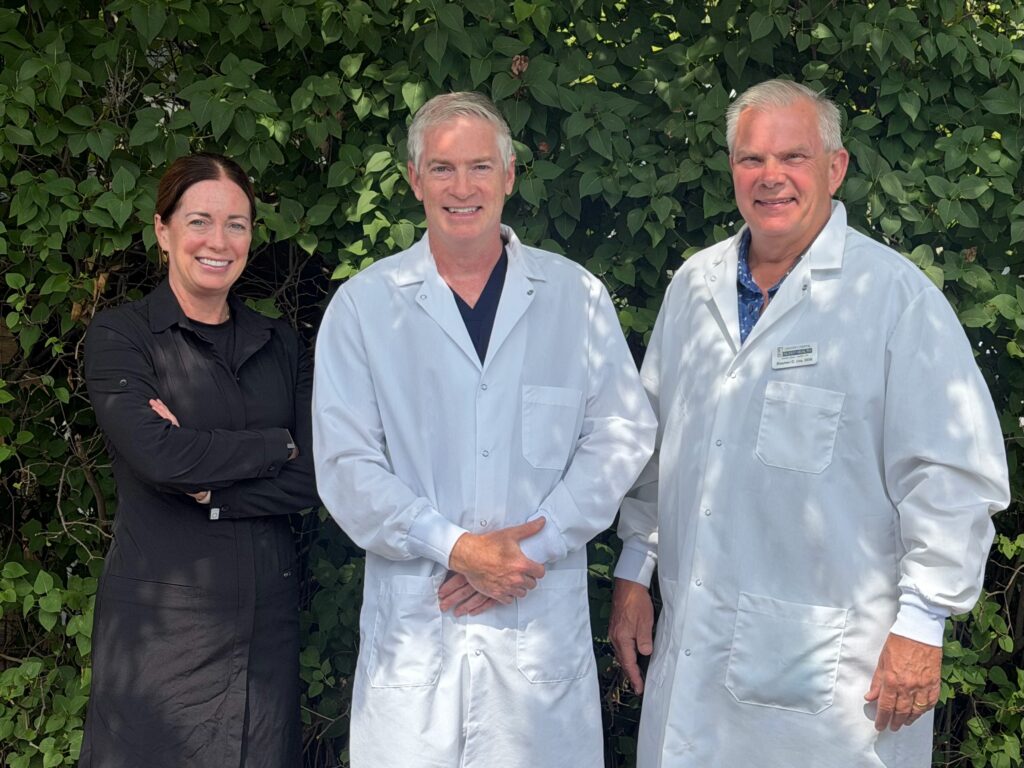
At the Center for Dental Sleep Health located within Levesque Dentistry in Nashua, NH, Dr. Tara Levesque-Vogel and Dr. Keith Levesque help patients throughout the Greater Nashua area, including Hudson, Merrimack, Milford, and Pelham, navigate sleep apnea diagnosis and find effective treatment that doesn’t rely on a CPAP machine. Whether you’ve been referred by your physician or you’re coming in on your own, this guide walks you through exactly what to expect.
Call us at (603) 886-4300 to schedule your consultation with a sleep apnea dentist near you in Nashua, NH.
What Is a Sleep Study?
A sleep study, also called a polysomnogram or sleep test, is a diagnostic evaluation that monitors what your body does while you sleep. It records brain wave activity, breathing patterns, blood oxygen levels, heart rate, eye movements, and muscle activity in real time, giving clinicians a detailed picture of your sleep architecture across every stage of the night.
Sleep studies are the gold standard for diagnosing obstructive sleep apnea (OSA), the most common sleep-disordered breathing condition in the United States. Obstructive sleep apnea occurs when the soft tissue at the back of the throat collapses repeatedly during sleep, blocking the airway and triggering dozens—sometimes hundreds—of brief arousals per night. Most people have no memory of these events, which is exactly what makes sleep testing so valuable: it captures what you can’t observe yourself.
Beyond sleep apnea, a sleep study can also diagnose:
- Central sleep apnea (a neurological variant where the brain fails to signal breathing muscles properly)
- Restless leg syndrome and periodic limb movement disorder
- Narcolepsy and excessive daytime sleepiness conditions
- REM sleep behavior disorder
- Insomnia patterns and disrupted sleep architecture
Signs You Might Need a Sleep Study Near You in Nashua, NH
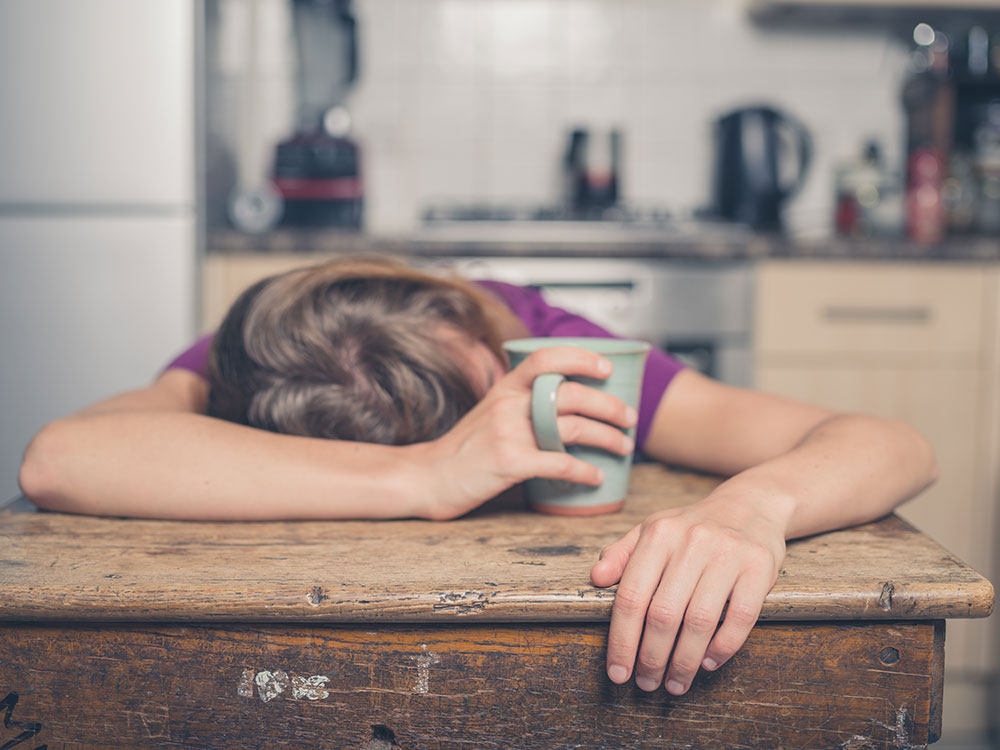
You don’t need to experience dramatic symptoms to warrant a sleep evaluation. Many people with moderate-to-severe obstructive sleep apnea genuinely don’t know they have it. They’ve simply accepted exhaustion as their new normal. Here are the signs that a sleep study near you in Nashua may be worth pursuing:
Classic symptoms:
- Loud, chronic snoring (especially if others report pauses in your breathing)
- Waking up gasping, choking, or short of breath
- Excessive daytime sleepiness—falling asleep during meetings, while reading, or driving
- Morning headaches or a dry, sore throat upon waking
- Waking frequently to urinate at night (nocturia)
Less obvious symptoms:
- Difficulty concentrating or memory problems
- Mood changes, irritability, or symptoms of depression
- High blood pressure that doesn’t respond well to medication
- Acid reflux at night
- Reduced libido
If you’re nodding along to more than a couple of these, the next step is a conversation with a sleep apnea dentist near you. Dr. Vogel and Dr. Levesque see patients from across the Greater Nashua area and can help determine whether a home sleep test or in-lab study is the right starting point for your situation.
Types of Sleep Studies Available Near Nashua, NH
Not all sleep studies are created equal. The right test depends on your symptoms, health history, and what your clinician needs to know.
Polysomnography (PSG) — The In-Lab Sleep Study
Polysomnography is the most comprehensive sleep test available, conducted overnight at an accredited sleep center. A trained sleep technologist monitors you in real time while sensors record:
- Brain waves (EEG): To map your sleep stages: light sleep (N1/N2), deep slow-wave sleep (N3), and REM
- Eye movements (EOG): To confirm REM sleep entry and track sleep cycles
- Muscle activity (EMG): To detect restless leg movements or REM sleep behavior disorder
- Breathing effort: Via chest and abdominal belts that measure respiratory effort separately from airflow
- Airflow: Through a small sensor near the nose and mouth
- Blood oxygen saturation (SpO2): To identify oxygen desaturation events linked to apneas
- Heart rate and rhythm (EKG): To flag any cardiac irregularities tied to breathing events
- Body position: Since apnea severity often changes when lying on your back vs. your side
PSG is particularly important when a home sleep test comes back inconclusive, when central sleep apnea or another complex condition is suspected, or when CPAP titration is needed.
Local facilities that conduct in-lab polysomnography near Nashua include St. Joseph Hospital Neurodiagnostic & Sleep Services on Kinsley Street (just a few blocks from our office) and the NH Sleep Medicine at Southern New Hampshire Health.
Home Sleep Apnea Test (HSAT)
Home sleep apnea testing has become the standard first-line approach for most adults with suspected obstructive sleep apnea. You pick up (or receive by mail) a small, FDA-cleared device, follow simple instructions for setup, and sleep in your own bed. The device records:
- Airflow (nasal pressure)
- Respiratory effort
- Blood oxygen saturation
- Heart rate
- Snoring sounds and body position (depending on device)
The data is then uploaded or returned to a sleep medicine provider for interpretation. Home sleep tests are comfortable, affordable, and surprisingly accurate for straightforward OSA cases. At the Center for Dental Sleep Health, we frequently work with referring physicians and sleep medicine specialists to facilitate home testing for our patients throughout Nashua, Hudson, Merrimack, and Milford.
One important caveat: home tests measure fewer variables than lab polysomnography, and they tend to underestimate apnea severity slightly because there’s no technologist to adjust sensors that shift during the night. If your home test comes back negative but your symptoms are strong, a full in-lab study is the next step.
Multiple Sleep Latency Test (MSLT)—Diagnosing Narcolepsy & Daytime Sleepiness
The MSLT measures how quickly you fall asleep during four to five scheduled 20-minute nap opportunities throughout the day, usually following an overnight PSG. Falling asleep in under eight minutes on average is considered abnormal; under five minutes is consistent with narcolepsy or idiopathic hypersomnia.
This test is the gold standard for diagnosing narcolepsy and distinguishing it from other causes of excessive daytime sleepiness, including untreated sleep apnea.
Actigraphy — Tracking Sleep-Wake Cycles Over Time
Actigraphy involves wearing a small, watch-like accelerometer, usually on the non-dominant wrist, for one to two weeks. It doesn’t monitor brain waves or breathing, but it creates a detailed picture of your sleep-wake patterns and circadian rhythm over time.
Actigraphy is most useful for evaluating insomnia, circadian rhythm disorders, and shift work sleep disorder. It’s sometimes used alongside other testing to give clinicians a longer view of how consistently (or inconsistently) you sleep.
How a Sleep Study Works: Step by Step
Whether you’re preparing for an in-lab study at a Nashua sleep center or getting set up with a home sleep apnea test through our office, here’s exactly what happens.
Before the Study: Preparation
Your healthcare provider will give you specific instructions, but the general guidance is consistent:
- Avoid caffeine for at least 12 hours before; even afternoon coffee can delay sleep onset and affect your results.
- Skip alcohol the day of the test, as alcohol suppresses REM sleep and artificially reduces the appearance of apnea in early sleep stages before making it worse later in the night.
- Review your medications with your provider. Some sleep aids, muscle relaxants, and antihistamines affect the data; others need to be continued for safety.
- Keep your normal schedule in the days leading up to the test. Don’t try to sleep in or stay up extra late beforehand.
- Wash your hair and skip conditioner, leave-in products, and lotions. Residue on skin and scalp interferes with electrode contact.
- Pack for the night if you’re doing an in-lab study: comfortable sleepwear, your own pillow if that helps you relax, any necessary medications, and toiletries for the morning
Arrival and Setup (In-Lab Study)
You’ll typically arrive at the sleep center between 8 and 9 PM. The setup process takes about 45 minutes to an hour, and while it sounds involved, most patients find it much more comfortable than they expected.
A registered polysomnographic technologist (RPSGT) will apply electrodes and sensors using water-soluble paste and medical tape. Nothing pierces the skin. The typical sensor placement includes:
- Scalp electrodes (EEG): Usually six to eight small metal discs are applied with conductive paste, measuring brain electrical activity from different regions
- Facial electrodes (EOG, chin EMG): Small adhesive sensors near the outer corners of the eyes and on the chin
- Chest and leg electrodes (EKG, leg EMG): Adhesive patches on the chest for heart monitoring, and small sensors on the shins to detect leg movements
- Respiratory belts: Soft elastic bands around the chest and abdomen to measure breathing effort
- Nasal pressure transducer and oral thermistor: A small cannula near the nostrils measures airflow pressure; a tiny sensor near the mouth tracks temperature changes with breathing
- Pulse oximeter: A clip-on fingertip measuring blood oxygen saturation and heart rate continuously
Once everything is in place, the technologist will run a calibration check. They’ll ask you to move your eyes in specific directions, flex your feet, breathe through your mouth, and hold your breath briefly. This confirms every sensor is reading correctly before you try to sleep.
During the Night
Lights are turned off when you’re ready, typically around 10 or 11 PM. The technologist monitors your data from an adjacent room throughout the night and will come in quietly if a sensor becomes dislodged—this is normal and happens to most patients.
Most people fall asleep within an hour. A minimum of six hours of recorded data is generally needed for a reliable interpretation, though eight is preferred. The study usually wraps up between 6 and 7 AM.
You do not need to sleep perfectly. Many patients worry that one restless night will invalidate their results. In practice, the data collected even from disrupted sleep provides meaningful diagnostic information.
Home Sleep Apnea Test Setup
For a home test, the process is simpler. You’ll receive your device with written and often video instructions. Most home devices involve:
- Attaching a small recording unit to your chest or clipping it to your finger
- Placing a nasal cannula for airflow measurement
- Attaching a finger probe for oxygen saturation
- Starting the recording when you’re ready for bed
- Sleeping in your normal environment for one to three nights
- Returning or uploading the device the next morning
If a sensor slips off in the night, most devices log the gap so the interpreting physician knows the data is incomplete. In some cases, a repeat night is requested.
What Does Sleep Study Data Actually Measure?
Understanding your results starts with knowing what the numbers mean. Here are the key metrics that appear in a sleep study report.
Apnea-Hypopnea Index (AHI)
The AHI is the single most important number in diagnosing sleep apnea. It counts the total number of apneas (complete breathing stops of 10 seconds or longer) and hypopneas (partial airway obstructions causing reduced airflow and/or oxygen desaturation) per hour of sleep.
| AHI Score | Severity |
| Fewer than 5 events/hour | Normal (in adults) |
| 5–14 events/hour | Mild sleep apnea |
| 15–29 events/hour | Moderate sleep apnea |
| 30+ events/hour | Severe sleep apnea |
For context, someone with an AHI of 30 experiences an airway obstruction or reduction roughly every two minutes throughout the night. Many patients in this range have no idea they’re waking up that frequently.
Oxygen Desaturation
Each apnea event causes oxygen levels in the blood to drop—sometimes briefly, sometimes significantly. A normal resting oxygen saturation (SpO2) is 95–100%. Readings below 90% are concerning; events below 80% are associated with serious cardiovascular and neurological risk. Your sleep study report will note the average SpO2, the minimum SpO2, and the oxygen desaturation index (ODI)—how many times per hour your oxygen dropped by 3–4% or more.
Sleep Architecture and Efficiency
Your report will break down how much time you spent in each sleep stage:
- N1 (light sleep): Transition into sleep; normally 5% of total sleep time
- N2 (consolidated light sleep): The bulk of normal sleep; roughly 45–55%
- N3 (slow-wave or deep sleep): Physically restorative; normally 15–25% in younger adults
- REM sleep: Memory consolidation, emotional processing, dreaming; normally 20–25%
Sleep apnea disrupts architecture significantly. Patients with untreated OSA often have suppressed deep sleep and REM, which is why they feel so unrestored even after a full night in bed.
Sleep efficiency, the percentage of time in bed actually spent sleeping, is another marker. Healthy sleep efficiency is generally above 85%.
Respiratory Disturbance Index (RDI)
The RDI is broader than AHI. It includes apneas and hypopneas plus RERAs (respiratory effort-related arousals)—events where the airway partially narrows enough to disrupt sleep without meeting the technical threshold for a hypopnea. Some patients have a near-normal AHI but a high RDI, explaining persistent fatigue that isn’t captured by AHI alone.

Understanding Your Sleep Study Results
Your sleep study data is interpreted by a board-certified sleep medicine physician, who issues a formal report. Results typically take one to two weeks after the study is completed.
The report will include your AHI, oxygen saturation statistics, sleep architecture breakdown, and any notable findings like cardiac arrhythmias or leg movement events. It will also include a diagnosis and treatment recommendations.
If you’re working with Dr. Vogel and Dr. Levesque as your sleep apnea dentists in Nashua, they’ll review your results in detail during a follow-up consultation. The goal isn’t just to hand you a number; it’s to make sure you understand what the data means for your health and what your realistic treatment options are.
From Diagnosis to Treatment: What Happens Next in Nashua, NH
A sleep apnea diagnosis is actually good news because now you can do something about it. The treatment landscape is much broader than most people realize.
- CPAP therapy remains the most prescribed treatment for moderate-to-severe OSA. A CPAP machine delivers pressurized air through a mask to hold the airway open throughout the night. It works well when used consistently, but compliance is a genuine challenge. Many patients struggle with the mask, the machine noise, or the claustrophobic feeling.
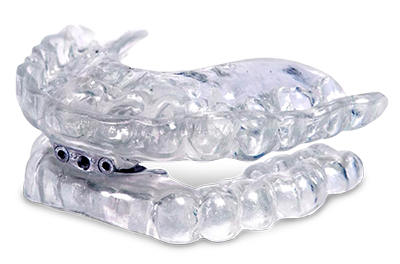
- Oral appliance therapy (OAT) is where Dr. Vogel and Dr. Levesque specialize. A custom-fitted oral appliance, similar in appearance to a night guard, repositions the lower jaw and tongue slightly forward, preventing the soft tissue collapse that causes obstructive apnea. For mild-to-moderate OSA, oral appliances are as effective as CPAP for many patients, and compliance rates are significantly higher because they’re discreet, portable, and comfortable to wear.
- Combination therapy is increasingly common: oral appliance plus positional therapy, or oral appliance alongside a lower CPAP pressure setting, can achieve results that neither treatment accomplishes alone.
- Lifestyle modifications—including weight management, positional therapy (avoiding back sleeping), reducing alcohol consumption, and treating nasal obstruction—can meaningfully reduce AHI in some patients and improve treatment outcomes in others.
Dr. Vogel and Dr. Levesque work closely with referring sleep physicians throughout the Nashua area to coordinate care, share treatment outcomes, and conduct follow-up testing to verify that your treatment is actually working—not just assumed to be working.

Sleep Study Cost and Insurance Coverage in Nashua, NH
Sleep study costs in the Nashua area vary based on the type of test and your insurance plan. For reference, the average cost of a sleep study in Nashua is approximately $1,600 without insurance, though individual provider pricing varies significantly.
- Insurance coverage: Most major insurance plans, including Medicare and Medicaid, cover sleep studies when they are ordered by a physician and deemed medically necessary. This generally means your doctor has documented symptoms consistent with sleep apnea. The diagnostic code used on your referral, and whether you’re approved for a home test versus an in-lab study, can affect your out-of-pocket costs.
- Home sleep tests are almost always less expensive than in-lab polysomnography, both in list price and in typical patient cost-sharing. If your insurer approves home testing first, expect lower copays or coinsurance.
- Oral appliance therapy is also covered by many medical insurance plans (not just dental plans) when prescribed for diagnosed sleep apnea. Our team at the Center for Dental Sleep Health is experienced in working with insurance providers to help patients access coverage. We can verify your benefits before your first visit.
Call us at (603) 886-4300 or complete our online contact form, and we’ll help clarify what your specific plan covers before you commit to anything. If your coverage isn’t enough, we also provide financing options to help with your financial needs.
Why See a Sleep Apnea Dentist Near You in Nashua, NH?
You might be wondering, why would I see a dentist about a sleep problem?
The short answer is that the airway is directly connected to oral anatomy. A dentist trained in dental sleep medicine understands how jaw position, tongue size, palate structure, and bite relationship affect whether your airway stays open or collapses while you sleep. Dr. Vogel and Dr. Levesque have made sleep-disordered breathing a focus of their care because they see firsthand how much it affects patients’ health, relationships, and quality of life.
Here’s what makes working with a sleep apnea dentist in Nashua different from a general medical referral:
- Decades of experience behind your care. Dr. Vogel and Dr. Levesque are supported by Dr. Stephen Ura, who has over 30 years of experience in dental sleep medicine and continues to mentor our team.
- Coordination, not competition. Dr. Vogel and Dr. Levesque work alongside sleep physicians, not instead of them. They facilitate testing, review results with you, and co-manage care with your medical team.
- CPAP alternatives that actually get used. Studies consistently show oral appliance compliance rates of 80%+ compared to 50–60% for CPAP. A treatment you use every night beats a perfect treatment that stays in the closet.
- Long-term monitoring. Sleep apnea is a chronic condition. Our dentists schedule regular follow-up visits to check your appliance fit, monitor symptoms, and retest when needed because a one-time diagnosis and a device aren’t sufficient long-term care.
- Serving the whole Greater Nashua community. Patients drive to our Kinsley Street office from Hudson, Merrimack, Milford, Pelham, Litchfield, and Londonderry. We offer flexible scheduling and financing options because sleep health shouldn’t be a financial barrier.
Frequently Asked Questions
What should I bring to an overnight sleep study near me in Nashua?
Pack comfortable, loose-fitting sleepwear (avoid one-piece options that complicate sensor access), your regular medications, a change of clothes and toiletries for the morning, and anything that helps you feel at home—your own pillow, a book, or a phone charger. The sleep center will provide bedding, water, and a private room. You can arrange to go directly to work in the morning if needed.
How long does it take to get sleep study results in Nashua?
Interpretation by a board-certified sleep medicine physician typically takes one to two weeks after your study night. If you’ve been referred by our office, we’ll schedule a follow-up consultation to go through the results together once they’re available.
Can I do a home sleep study instead of going to a sleep lab?
For most adults with suspected obstructive sleep apnea, yes—a home sleep apnea test is an appropriate starting point. Dr. Vogel and Dr. Levesque can help determine which path is right for you based on your symptoms, health history, and insurance coverage. Some complex cases (suspected central sleep apnea, narcolepsy, or prior inconclusive home tests) do require an in-lab study.
What is a normal sleep study result?
A normal result is an Apnea-Hypopnea Index (AHI) below 5 events per hour in adults, with oxygen saturation consistently above 90% and normal distribution across sleep stages. If your results come back normal but your symptoms persist, talk to your provider about further testing—the RDI may reveal respiratory events that AHI alone doesn’t capture.
Can children have sleep studies? Are there pediatric sleep providers near Nashua?
Yes—sleep apnea affects children too, often presenting as behavioral issues, bedwetting, or ADHD-like symptoms rather than classic adult snoring. NH Sleep Medicine at Southern New Hampshire Health (located in Nashua) is one of the few regional centers with a physician specializing in pediatric sleep medicine. Our practice focuses on adult patients; for pediatric cases, we’re happy to provide a referral.
What's the difference between a sleep study and just wearing a smartwatch to track sleep?
Consumer wearables like the Apple Watch and the Fitbit are useful for general sleep awareness but are not diagnostic tools. They infer sleep stages from movement and heart rate using algorithms, which is a very different signal from the EEG, EMG, and airflow data captured in a clinical sleep study. A smartwatch can tell you that your sleep looks fragmented; a sleep study tells you why and whether it’s medically significant.
Take the First Step Toward Real Sleep in Nashua, NH
Sleep apnea doesn’t go away on its own—and the health consequences of leaving it untreated accumulate over time. Cardiovascular disease, metabolic dysfunction, cognitive impairment, and strained relationships are all documented outcomes of chronic, untreated OSA. The good news is that the path from “I think something’s wrong” to “I’m sleeping well” is more straightforward than most people expect.
Dr. Vogel, Dr. Levesque, and the team at the Center for Dental Sleep Health are here to guide you through that path, from initial consultation and sleep testing to a custom treatment plan that actually fits your life. We serve patients from across the Greater Nashua area, including Hudson, Merrimack, Milford, Pelham, and Litchfield.
Ready to find out what’s really happening while you sleep? Contact our Nashua dental office at (603) 886-4300 to request an appointment.