Could Sleep Apnea Be Affecting Your Blood Pressure?
If you’re searching for a Nashua dentist near you who treats sleep apnea and can help you combat high blood pressure, Dr. Tara Levesque-Vogel and Dr. Keith Levesque at the Center for Dental Sleep Health, located within Levesque Dentistry, can help.
Sleep apnea and hypertension aren’t just two conditions that happen to show up in the same patient. Research increasingly shows one drives the other: untreated obstructive sleep apnea (OSA) is now recognized as one of the most common and most overlooked causes of high blood pressure that won’t respond to medication alone.
If you’ve been prescribed blood pressure medication that isn’t working the way it should, or you snore, wake up tired, or have been told your blood pressure runs high, it’s worth asking whether sleep apnea is the missing piece.
Call our Nashua, NH, dental office today at (603) 886-4300, or request an appointment online to find out whether treating your sleep could help treat your blood pressure.


Just How Common Is This Combination?
The overlap between obstructive sleep apnea and hypertension is larger than most patients realize:
- An estimated 83.7 million U.S. adults are living with obstructive sleep apnea, and researchers project that number will keep climbing over the next two decades as obesity rates rise—obesity being one of the strongest shared risk factors for both conditions.
- Large population studies, including the landmark Sleep Heart Health Study, have repeatedly found that sleep-disordered breathing is strongly associated with elevated blood pressure, independent of weight, age, or other risk factors.
- OSA is especially common among people with resistant hypertension—high blood pressure that stays elevated despite being on three or more medications. Several studies put OSA prevalence in resistant hypertension patients at well over half.
In other words, if your blood pressure has been difficult to control, sleep apnea deserves a look—even if no one has raised it with you before.
How Sleep Apnea Drives High Blood Pressure
Every pause in breathing during sleep triggers a cascade of stress responses in the body. Over months and years, these repeated episodes reshape how your cardiovascular system functions:
- Sympathetic Nervous System Activation: Each apnea event is a mini emergency for your body. Your brain responds by flooding your system with stress hormones, spiking your heart rate, and constricting blood vessels. Repeated nightly, this trains your nervous system to run in a chronically “on” state, even during the day.
- Hypercapnia and Oxygen Drops: Blocked airflow causes carbon dioxide to build up in the blood (hypercapnia) while oxygen levels fall. Both changes signal blood vessels to constrict, driving blood pressure up.
- Endothelial Dysfunction: The oxygen swings of untreated OSA damage the endothelium, the thin layer of cells lining your blood vessels. A healthy endothelium helps vessels relax and dilate on demand; a damaged one can’t, which pushes blood pressure higher over time.
- Left Ventricular Hypertrophy: Sustained high blood pressure forces the heart’s main pumping chamber to work harder, and it can thicken in response. This thickening (left ventricular hypertrophy) is linked to a higher long-term risk of heart failure, arrhythmia, and stroke.
- Weight and Metabolic Effects: Sleep deprivation from fragmented sleep disrupts hunger hormones and insulin sensitivity, making weight gain more likely—and excess weight, in turn, worsens both OSA and hypertension in a self-reinforcing loop.
This isn’t just about feeling tired. Untreated OSA measurably raises long-term risk for stroke and broader cardiovascular disease, on top of whatever blood pressure problem you may already have.

Symptoms Worth Bringing Up With a Doctor or Dentist
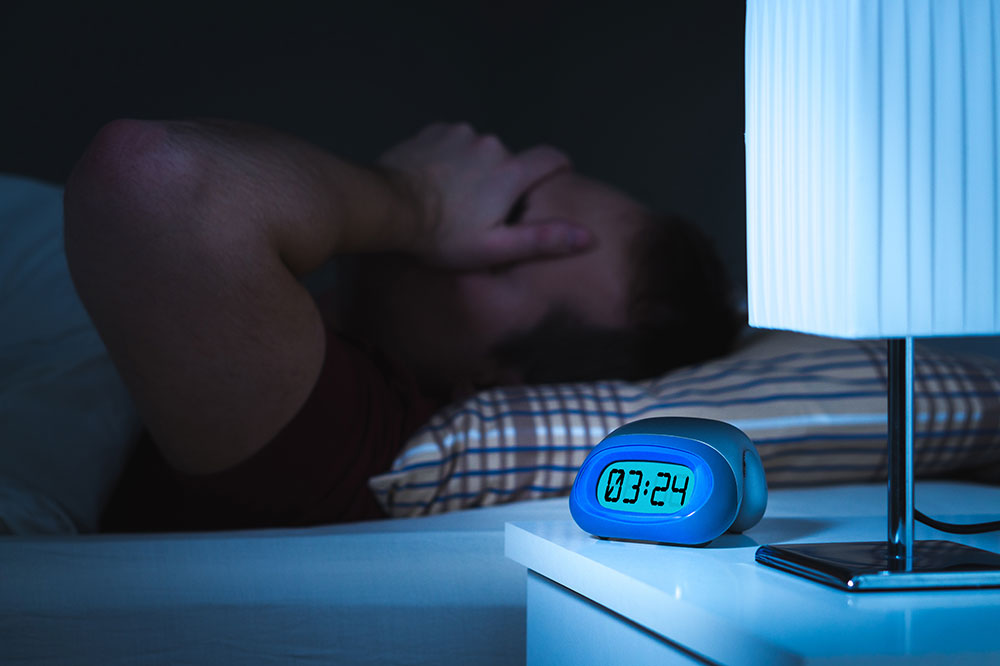
Many patients don’t connect these symptoms to their blood pressure numbers—but your dentist often notices signs of airway problems before anyone else does:
- Loud, frequent snoring or witnessed pauses in breathing
- Waking up gasping or choking
- Morning headaches
- Persistent daytime fatigue despite a full night in bed
- Difficulty concentrating or brain fog
- Blood pressure that stays elevated despite medication
If several of these sound familiar, it’s worth asking your physician about a sleep evaluation or starting the conversation with a dentist in Nashua, NH, who screens for airway and sleep-related risk factors as part of routine care.
Getting an Accurate Diagnosis
Diagnosing Sleep Apnea
Polysomnography, an in-lab sleep study, remains the gold standard for diagnosing OSA. It tracks airflow, oxygen saturation, brain activity, and the apnea-hypopnea index (AHI), which counts how many breathing interruptions occur per hour and determines severity. For many patients, a home sleep apnea test using a portable monitor is a more convenient first step and can confirm OSA without an overnight lab visit.
Diagnosing Hypertension
Standard blood pressure checks catch sustained high blood pressure, but they can miss patterns tied specifically to sleep apnea—like blood pressure that doesn’t dip normally overnight or spikes tied directly to breathing pauses. Ambulatory blood pressure monitoring, worn over 24 hours, gives a fuller picture and can help your physician identify whether your hypertension may be sleep-related.
Getting both conditions properly diagnosed, rather than treating high blood pressure in isolation, is the foundation for a treatment plan that actually addresses the root cause.
Treatment Options That Address Both Conditions
Oral Appliance Therapy
For many patients with mild to moderate OSA, or anyone who has tried CPAP and struggled to stick with it, a custom oral appliance is an effective, well-tolerated alternative. Worn like a nightguard, a Mandibular Advancement Device (MAD) gently repositions the jaw and tongue to keep the airway open through the night. As Nashua sleep apnea dentists focused on dental sleep medicine, Dr. Vogel and Dr. Levesque design and fit these appliances chairside, with no separate specialist referral needed to get started.
CPAP Therapy
Continuous positive airway pressure (CPAP) remains the most-studied and most effective treatment for moderate to severe OSA, delivering steady airflow through a mask to keep the airway open. Consistent CPAP use has been shown to lower blood pressure meaningfully in patients with both conditions, for many patients, in the range of several points systolic. If you’ve been prescribed CPAP but can’t tolerate the mask, oral appliance therapy may be a workable alternative worth discussing at your next visit.
Lifestyle Changes
- Weight management: Even modest weight loss can meaningfully reduce OSA severity and improve blood pressure control, since excess weight contributes to both conditions.
- Exercise: Regular aerobic activity supports cardiovascular health, improves sleep quality, and helps with weight management.
- Dietary changes: Reducing sodium and following a DASH-style diet supports healthier blood pressure and can ease sleep apnea symptoms as well.
Medical and Pharmacological Care
Some patients benefit from antihypertensive medication alongside airway treatment. Your physician can help select medications that work well alongside CPAP or oral appliance therapy. In select cases, medications like acetazolamide may be used to support respiratory drive during sleep, though this is reserved for specific patient profiles and requires close monitoring.
Frequently Asked Questions
Can treating sleep apnea actually lower my blood pressure?
Often, yes. Consistent CPAP use has been shown in multiple studies to reduce blood pressure, and for some patients, oral appliance therapy shows similar benefit, particularly when paired with weight management and lifestyle changes.
Is sleep apnea linked to problems beyond high blood pressure?
Yes. Poorly controlled OSA is associated with elevated risk for atrial fibrillation, heart failure, coronary artery disease, and stroke. Managing sleep apnea is part of managing your broader cardiovascular disease risk, not just your blood pressure reading.
What is resistant hypertension, and how does sleep apnea factor in?
Resistant hypertension means your blood pressure stays high despite taking three or more medications, including a diuretic. OSA is one of the most common and most treatable underlying contributors to resistant hypertension, which is why sleep apnea screening is increasingly recommended for patients whose blood pressure won’t budge.
Can diet help manage both sleep apnea and hypertension?
Yes. Reducing sodium intake, following a DASH-style diet, and maintaining a healthy weight can improve both blood pressure and sleep apnea severity, since obesity is a shared driver of both conditions.
Can children have sleep apnea and high blood pressure together?
It’s less common, but yes. Pediatric obesity, enlarged tonsils and adenoids, and other conditions can lead to sleep apnea in children, which can affect blood pressure if left untreated.
Find a Dentist Near You Who Treats Sleep Apnea and Hypertension Together
You don’t have to manage high blood pressure and poor sleep as two separate problems. As a sleep apnea dentist in Nashua, NH, our team, led by Dr. Tara Levesque-Vogel and Dr. Keith Levesque, works alongside your physician to address the airway issues that may be driving your blood pressure numbers—with same-office diagnostic support and custom oral appliance therapy.
The Center’s founder, Dr. Stephen Ura, continues to guide our approach to dental sleep medicine. Contact our Nashua dental office at (603) 886-4300 or schedule your consultation online. We welcome new and existing patients throughout Nashua, Hudson, Merrimack, and Milford, NH.