What’s the Difference Between Sleep Apnea and Hypopnea?
Struggling with poor sleep and not sure why? Sleep apnea and hypopnea are often talked about together and treated together, but they’re not the same disorder. Both interrupt your breathing while you sleep, both can quietly damage your heart and your health over time, and both are treatable. The difference comes down to how much air you’re actually getting.
At the Center for Dental Sleep Health, our Nashua, NH dentist, Dr. Stephen Ura, diagnoses and treats both conditions using an approach built around comfort, not just compliance. Below, we break down exactly what separates sleep apnea from hypopnea, how doctors measure the difference, and what treatment looks like for patients throughout Nashua, Hudson, Merrimack, and Milford, NH.
Call our Nashua dental practice at (603) 886-4300 to take the first step toward better sleep and improved mental well-being.

What Is Sleep Apnea?
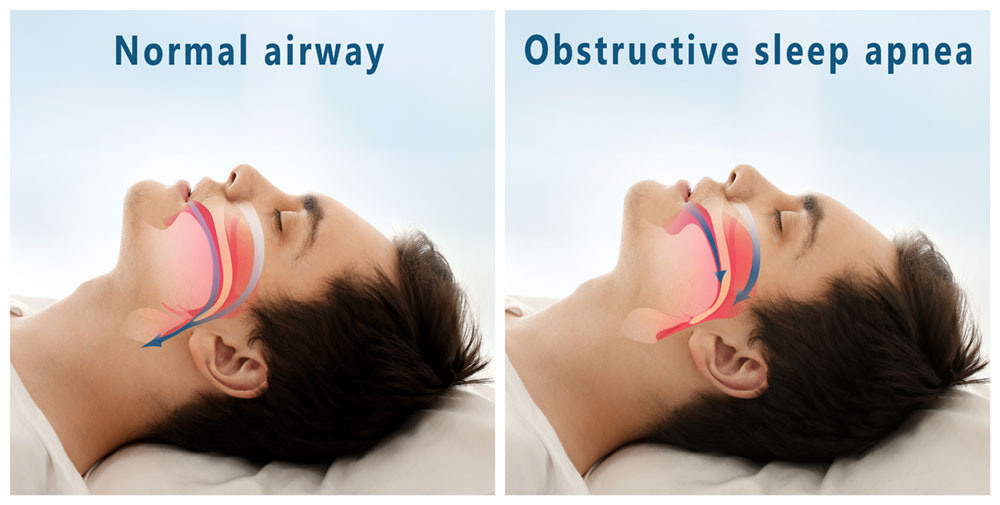
Sleep apnea is a respiratory disorder marked by repeated, complete pauses in breathing during sleep, each lasting 10 seconds or longer. There are two primary types:
- Obstructive Sleep Apnea (OSA): The most common form. The airway becomes partially or fully blocked, usually because the soft tissue at the back of the throat relaxes and collapses during sleep.
- Central Sleep Apnea (CSA): A less common form caused by a communication breakdown between the brain and the muscles that control breathing. The airway isn’t blocked, but the body simply doesn’t try to breathe.
Some patients experience a combination of both, known as complex or mixed sleep apnea.
What Is Hypopnea? (And What Does Hypopnea Mean?)
Hypopnea means shallow, restricted breathing—not a full stop, but a significant reduction in airflow. Clinically, an event is scored as hypopnea when airflow drops by at least 30% for 10 seconds or more, accompanied by a drop in blood oxygen or an awakening from sleep.
Like sleep apnea, hypopnea has both obstructive and central hypopnea subtypes, depending on whether the reduced airflow is caused by a narrowed airway or by weaker signaling from the brain. It’s frequently described as a “milder” version of sleep apnea, but that label can be misleading. Left untreated, hypopnea produces many of the same downstream health risks as full apnea events.

Sleep Apnea vs. Hypopnea: The Key Differences
The clearest way to understand the difference is by looking at how each event is measured during a sleep study.
| Apnea | Hypopnea | |
| Definition | Near-complete or complete pause in breathing | Partial reduction in airflow (shallow breathing) |
| Airflow reduction | ≥90% reduction | ≥30% reduction |
| Minimum duration | 10 seconds | 10 seconds |
| Required for scoring | Airflow drop alone | Airflow drop plus oxygen desaturation or an arousal |
| Subtypes | Obstructive, central, mixed | Obstructive, central |
| Typical symptom severity | More pronounced snoring, gasping, choking | Often quieter—softer snoring, subtler awakenings |
What Are Apneas and Hypopneas Together? Understanding the AHI
Doctors don’t usually diagnose sleep apnea or hypopnea in isolation. They combine both into a single measurement called the Apnea-Hypopnea Index (AHI): the average number of apnea and hypopnea events you experience per hour of sleep. This single number determines both your diagnosis and your severity level:
| AHI Score | Severity |
| Fewer than 5 events/hour | Normal |
| 5–15 events/hour | Mild |
| 15–30 events/hour | Moderate |
| More than 30 events/hour | Severe |
This is why “sleep apnea vs. hypopnea” isn’t really an either/or question for most patients. The two are usually scored together, and your AHI reflects the combined impact of both on your sleep.
How Is Hypopnea Diagnosed?
A polysomnography (in-lab sleep study) or a home sleep apnea test is required to accurately diagnose hypopnea and calculate your AHI. During the study, sensors track your airflow, blood oxygen levels, brain activity, heart rate, and breathing effort throughout the night. This data is what allows Dr. Ura and your sleep physician to tell the difference between an apnea event and a hypopnea event—the distinction isn’t something you can make from symptoms alone.

Signs and Symptoms of Hypopnea
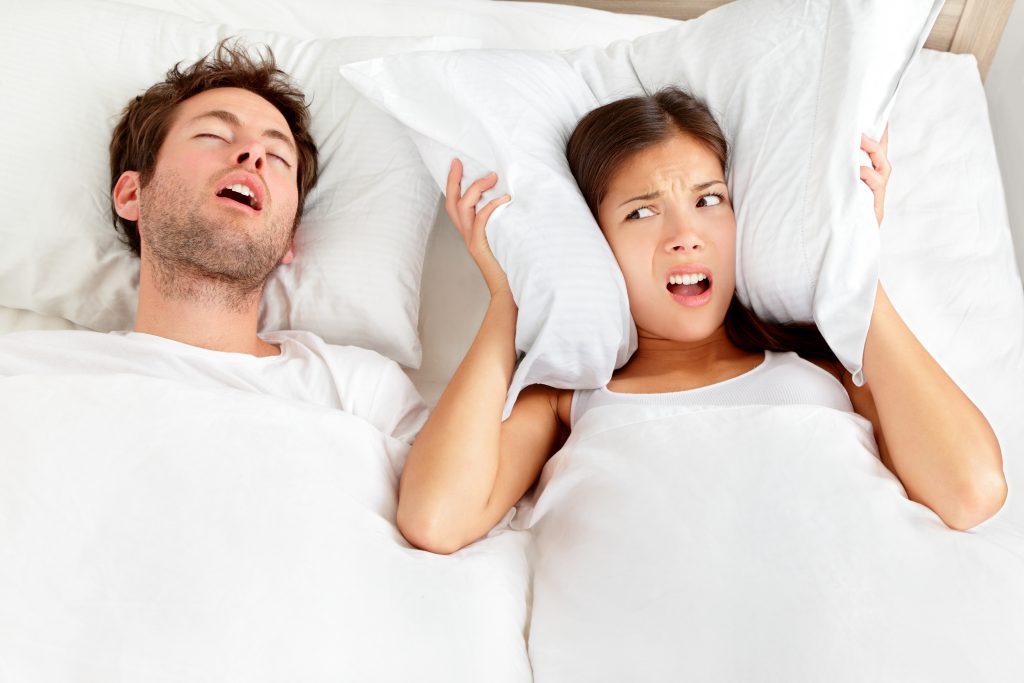
Because hypopnea involves partial rather than complete airflow blockage, its symptoms can be subtler than classic sleep apnea—which is part of why it goes undiagnosed so often. Common signs include:
- Frequent awakenings accompanied by breathlessness, choking, or gasping
- Excessive daytime sleepiness, even after a full night in bed
- Snoring, typically softer or less consistent than with obstructive sleep apnea
- Persistent fatigue and low energy despite adequate time asleep
- Fragmented, non-restorative sleep
- Mood changes, such as irritability, anxiety, or low mood tied to poor sleep quality
- Trouble concentrating or short-term memory lapses
If these symptoms sound familiar, it’s worth having a conversation with a sleep dentist near you rather than waiting for things to get worse.
Risk Factors for Hypopnea and Sleep Apnea
Several factors raise your risk for both conditions:
- Obesity. Excess tissue around the neck and throat is one of the strongest predictors of airway collapse
- Age (risk increases as we get older)
- Gender (more common in men, though risk rises for women after menopause)
- Structural airway abnormalities—a narrow throat, enlarged tonsils, or a recessed jaw
- Chronic nasal congestion
- Smoking
- Sedative or muscle-relaxant medications
- Family history of sleep-disordered breathing
- Alcohol use, especially close to bedtime
- Underlying medical conditions, including hypothyroidism and certain heart conditions


Why Untreated Hypopnea Still Matters
Because hypopnea only involves a partial airflow reduction, it’s easy to assume it’s not worth treating. It is. Repeated hypopnea events fragment your sleep and starve your body of oxygen night after night, which contributes to:
- Cardiovascular strain. An elevated risk of hypertension, arrhythmias, and heart disease
- Oxygen desaturation that places ongoing stress on the heart and brain
- Increased accident risk from daytime sleepiness affecting driving and concentration
- Long-term metabolic effects, including a higher risk of insulin resistance
Sleep Apnea and Hypopnea Treatment Options
The good news is that treatment for both conditions overlaps significantly, and most patients find real relief once they start. Options include:
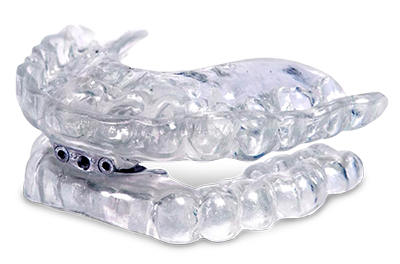
- Oral Appliance Therapy: A custom-fitted device worn during sleep that repositions the jaw and tongue to keep the airway open. This is often the first-line treatment Dr. Ura recommends for mild-to-moderate obstructive sleep apnea and hypopnea and for patients who can’t tolerate CPAP.
- Mandibular Advancement Devices (MADs): The most common type of oral appliance, a MAD gently shifts the lower jaw forward to prevent the airway from collapsing.
- CPAP Therapy: Still the gold-standard treatment for moderate-to-severe OSA, though many patients struggle with long-term comfort and consistency.
- Hypoglossal Nerve Stimulator: For select patients with moderate-to-severe OSA who can’t tolerate CPAP, an implanted device stimulates the nerve that controls tongue movement, keeping the airway open during sleep. This is typically coordinated with an ENT or sleep specialist.
- Lifestyle Changes: Weight management, reducing alcohol intake, quitting smoking, and side-sleeping can meaningfully lower AHI scores, especially for milder cases.
Treatment decisions depend on your AHI, the type of events you’re experiencing (obstructive vs. central), and your personal health history, which is exactly why an accurate diagnosis matters before starting treatment.

Sleep Apnea Dentist in Nashua, NH
If you’re searching for a sleep apnea dentist near you, the Center for Dental Sleep Health has worked with patients throughout Nashua and the surrounding towns of Hudson, Merrimack, and Milford, NH, for years. As a dentist in Nashua who focuses specifically on dental sleep medicine, Dr. Ura works alongside your sleep physician to fit and fine-tune oral appliances that treat both apnea and hypopnea comfortably and without the bulk of a CPAP mask.
Frequently Asked Questions
Can hypopnea be cured?
Hypopnea is typically a chronic condition managed rather than cured. With consistent treatment, such as an oral appliance, CPAP, or lifestyle changes, most patients see their AHI drop significantly, and their sleep quality improve.
Can hypopnea lead to complications if left untreated?
Yes. Untreated hypopnea raises your risk of hypertension, coronary artery disease, and heart failure and contributes to daytime fatigue and reduced quality of life.
Can hypopnea occur in people who are physically fit and healthy?
Yes. While obesity and smoking increase risk, hypopnea can affect anyone regardless of fitness level, including people with a narrow airway or jaw structure that predisposes them to airway collapse.
Is a sleep study necessary to diagnose hypopnea?
Yes. Polysomnography (or a home sleep apnea test) is the only reliable way to measure your AHI and distinguish hypopnea from sleep apnea or simple snoring.
Does insurance cover hypopnea treatment in New Hampshire?
Coverage varies by plan and by whether treatment is billed through medical or dental insurance. Our office can help verify your benefits and walk you through financing options before you commit to treatment.
Ready to Take Control of Your Sleep Health?
Whether you’re dealing with full apnea events, hypopnea, or a combination of both, you don’t have to keep guessing. Call our Nashua, NH, dental office at (603) 886-4300 to schedule a consultation, or fill out our online contact form, and a staff member will follow up shortly. We welcome patients from Nashua, Hudson, Merrimack, and Milford, NH. Don’t wait to start improving your sleep.