Are Sleep Apnea and TMJ Connected?
If you’re waking up with a sore jaw, a pounding headache, or the feeling that a full night’s sleep never actually happened, you may be dealing with two conditions at once: sleep apnea and TMJ disorder (temporomandibular joint disorder, or TMD). They’re more connected than most patients realize, and treating one without the other often means the symptoms just keep coming back.
At the Center for Dental Sleep Health, located within Levesque Dentistry, Dr. Tara Levesque-Vogel and Dr. Keith Levesque work with patients throughout Nashua and Southern New Hampshire who are dealing with both airway and jaw problems at the same time. If you’ve been searching for a sleep apnea dentist near you or a dentist in Nashua who treats TMJ and disordered breathing together instead of separately, call (603) 886-4300 to schedule a consultation.


Meet Dr. Vogel and Dr. Levesque
Dr. Tara Levesque-Vogel and Dr. Keith Levesque provide patient care at the Center for Dental Sleep Health, evaluating the overlap between airway and jaw disorders and selecting and adjusting appliances for patients dealing with both. [Insert 1–2 sentences on each doctor’s training, credentials, or TMJ/sleep experience.]
Our team is guided by Dr. Stephen Ura, a Diplomate of the American Board of Dental Sleep Medicine, a credential earned by a relatively small number of dentists nationwide. With over 30 years of experience, Dr. Ura continues to mentor our dentists and shape how the Center approaches sleep-related breathing disorders.
How Are Sleep Apnea and TMJ Connected?
The jaw and the airway rely on many of the same muscles and nerve pathways, so it’s common for problems in one to show up in the other.
During an obstructive sleep apnea (OSA) episode, the soft tissue at the back of the throat relaxes and partially blocks the airway. To reopen it, the body often responds by clenching or grinding the jaw, which is why bruxism (nighttime teeth grinding) is so common among sleep apnea patients. Do that hundreds of times a night, and the temporomandibular joint takes on real strain, showing up the next morning as soreness, clicking, or a jaw that feels locked.
It also runs the other way. A jaw that’s already overworked or misaligned can change how the tongue and lower jaw rest during sleep, narrowing the airway even further and making apnea events more frequent. The result is a feedback loop: airway trouble triggers clenching, and clenching narrows the airway. Breaking that cycle usually means treating both conditions together rather than chasing one set of symptoms at a time.

Signs You Might Be Dealing With Both
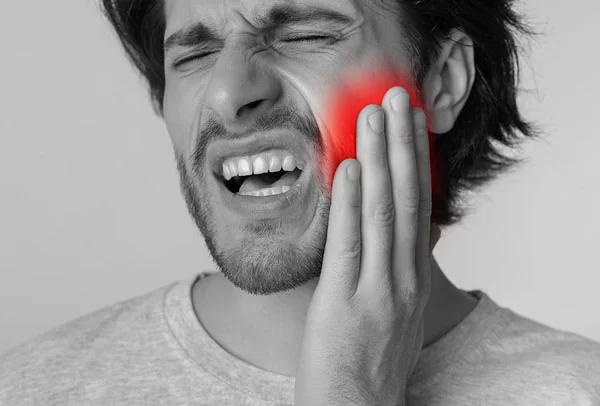
Many patients don’t connect their symptoms until a dentist walks them through the pattern. Common overlap symptoms include:
- Morning jaw soreness, tightness, or clicking near the ear
- Headaches that are worse first thing in the morning
- Loud or frequent snoring, often noticed by a partner
- Visible wear on the teeth from grinding
- Daytime fatigue that doesn’t improve no matter how many hours you sleep
- A jaw that feels “stuck” or fatigued on waking
If several of these sound familiar, it’s worth having both your airway and your jaw evaluated at the same visit rather than treating the headache or the snoring in isolation.
Why This Matters More Than Ever
Sleep apnea is becoming more widely recognized and more common. Rising rates of obesity, an aging population, and simply better awareness of the condition mean more people are being screened for OSA than in years past, including many who assumed their fatigue and jaw pain were unrelated problems.
At the same time, CPAP remains the most familiar sleep apnea treatment, but it isn’t the only one, and it isn’t the right fit for every patient. For those who are also managing jaw pain, a mask that pulls against a sore TMJ tends to make both conditions harder to live with.
Treatment Options for Sleep Apnea and TMJ
There’s no single protocol that fits every patient. Dr. Vogel and Dr. Levesque build each treatment plan around the individual’s airway anatomy, jaw alignment, and grinding severity. Options include:
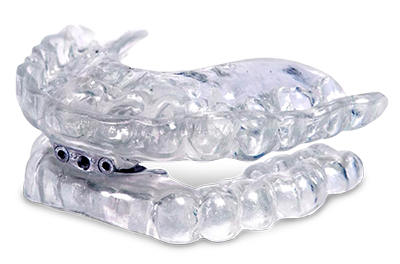
- Oral appliance therapy: A custom-fitted device worn at night that repositions the lower jaw to keep the airway open, without the bulk or pressure of a CPAP mask
- Mouth guards: Designed to reduce bruxism-related wear and ease pressure on the jaw joint
- Bite adjustment: Targeted changes to reduce strain on the temporomandibular joint
- Physical therapy referrals: For patients whose jaw muscles need additional rehabilitation alongside dental treatment
- Ongoing monitoring: Appliance fit is adjusted over time as symptoms change
Oral appliance therapy is often covered, at least in part, by medical insurance when it’s prescribed for diagnosed obstructive sleep apnea. Our team can help you check your specific benefits before you commit to a treatment plan.
What to Expect at Your First Visit
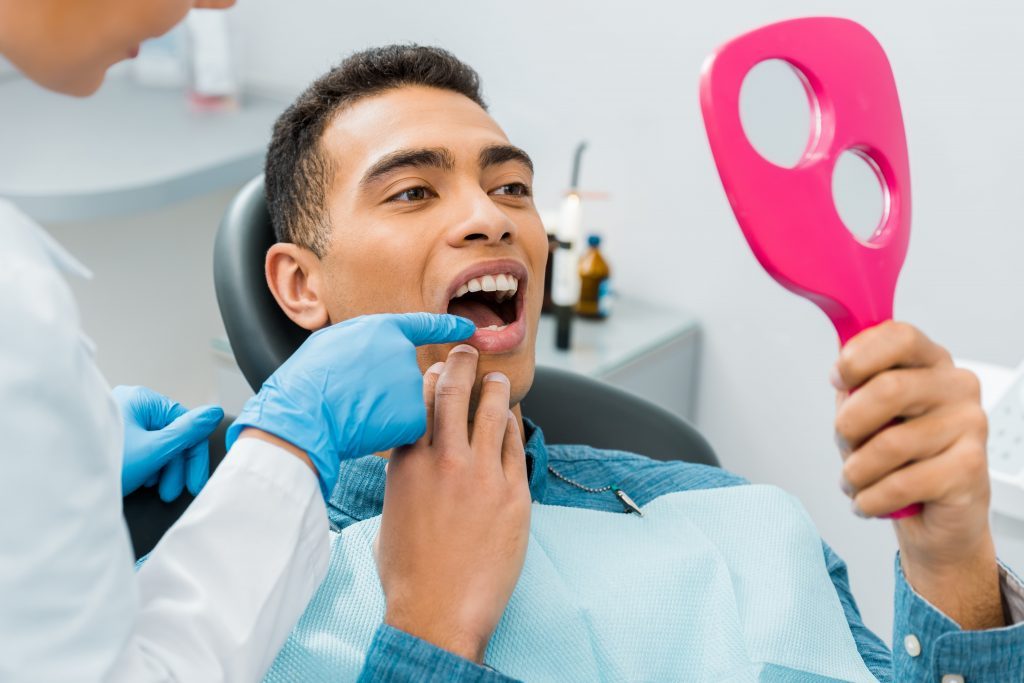
Your first appointment is a diagnostic conversation, not a sales pitch. A typical sleep apnea consultation visit includes:
- A review of your symptoms: jaw pain, grinding, snoring, headaches, and daytime fatigue
- A discussion of any prior CPAP experience, including what hasn’t worked
- A clinical exam of the jaw joint and airway
- A treatment plan that addresses the sleep and jaw components together

Frequently Asked Questions
Is there a sleep apnea dentist near me in Nashua?
Yes. The Center for Dental Sleep Health, led by Dr. Tara Levesque-Vogel and Dr. Keith Levesque with mentorship from Dr. Stephen Ura, is located at 193 Kinsley St. in Nashua and treats patients from Nashua, Hudson, Merrimack, Milford, and the surrounding Southern New Hampshire area.
Does insurance cover treatment for sleep apnea and TMJ?
Coverage depends on your specific plan, but oral appliance therapy for diagnosed obstructive sleep apnea is often eligible for medical insurance coverage. Our team can help verify your benefits before treatment begins.
Can a mouth guard help with both TMJ and sleep apnea?
A mouth guard can reduce bruxism-related jaw strain, but it isn’t the same as an oral appliance built specifically to keep the airway open. Dr. Vogel and Dr. Levesque will recommend the right device or combination of devices based on your evaluation.
What's the difference between obstructive and central sleep apnea?
Obstructive sleep apnea (OSA) happens when the airway is physically blocked by relaxed throat tissue. Central sleep apnea is different. It occurs when the brain temporarily stops signaling the muscles to breathe. The two conditions are diagnosed and treated differently, which is why an accurate sleep evaluation matters.
Do I need a sleep study before starting treatment?
Most patients need a diagnostic sleep evaluation before starting oral appliance therapy, since an accurate diagnosis determines which treatment approach fits your case. We can walk you through what that process looks like at your first visit.
Serving Nashua and Southern New Hampshire
Ready to stop treating the headaches, the jaw pain, and the exhaustion as three separate problems? Call (603) 886-4300 to schedule your consultation with Dr. Vogel and Dr. Levesque in Nashua, NH. The Center for Dental Sleep Health is located at 193 Kinsley St. in Nashua, NH. If you’ve been looking for a dentist near you who treats sleep apnea and TMJ disorders together, our office serves patients from Nashua, Hudson, Merrimack, Milford, and throughout Southern New Hampshire.