Managing Sleep Apnea in Diabetes Care
If you’ve been diagnosed with type 2 diabetes—or you’re living with prediabetes—and you snore loudly, wake up exhausted, or feel fatigued no matter how many hours you sleep, there’s a very real possibility that sleep apnea is quietly making your condition worse. At the Center for Dental Sleep Health in Nashua, NH, Dr. Stephen Ura specializes in the intersection of dental sleep medicine and metabolic health, offering oral appliance therapy and collaborative care that addresses both conditions at once.
The connection between sleep apnea and diabetes is not coincidental—it’s biological, well-documented, and significant. Research consistently shows that untreated obstructive sleep apnea (OSA) worsens insulin resistance, disrupts glucose metabolism, elevates blood pressure, and increases the risk of cardiovascular disease. Understanding this relationship is the first step toward breaking the cycle. Call our Nashua dental office at (603) 886-4300 or read on to learn how we can help.

What Is Sleep Apnea?
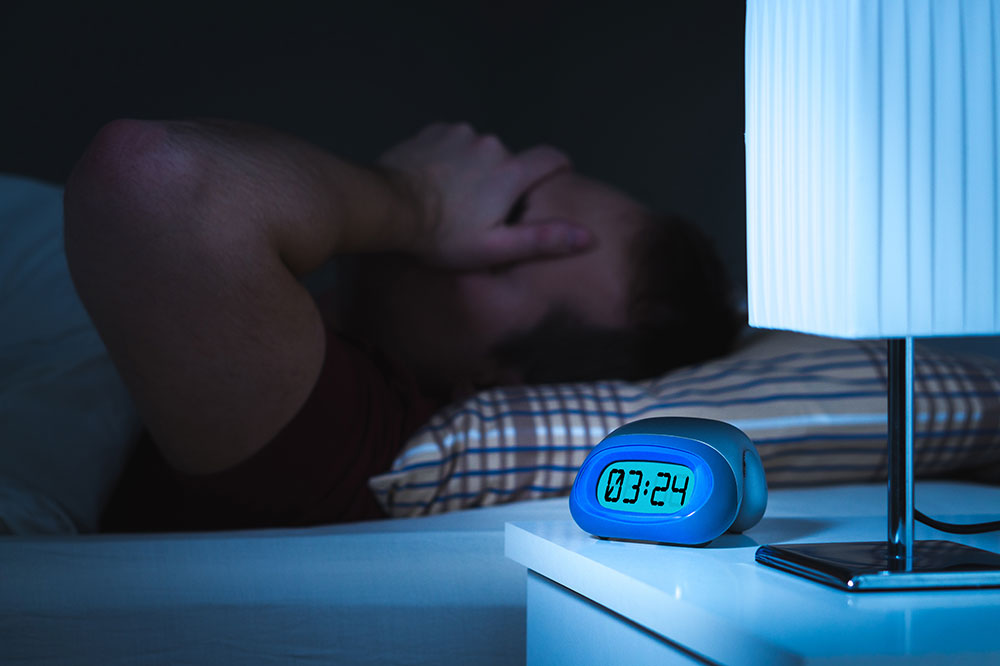
Sleep apnea is a chronic respiratory disorder in which breathing repeatedly stops and starts during sleep. These pauses—called apneas and hypopneas—can occur dozens or even hundreds of times per night, each one triggering a brief arousal from sleep and a drop in blood oxygen saturation. Most people have no idea it’s happening.
There are two primary forms:
- Obstructive Sleep Apnea (OSA): The most common type, caused by a physical collapse or narrowing of the airway. The tongue, jaw, soft palate, and surrounding adipose tissue can all contribute to airway obstruction when throat muscles relax during sleep.
- Central Sleep Apnea (CSA): Less common, caused when the brain fails to send proper signals to the breathing muscles—a nervous system failure rather than a structural one.
Common symptoms include loud snoring, gasping or choking during sleep, morning headaches, somnolence (excessive daytime sleepiness), difficulty concentrating, irritability, and insomnia. Left untreated, sleep apnea is associated with serious comorbidities, including hypertension, coronary artery disease, heart failure, atrial fibrillation, stroke, chronic kidney disease, and metabolic syndrome.
Understanding Diabetes: Type 1, Type 2, Prediabetes, and Metabolic Syndrome
Diabetes mellitus is a group of metabolic diseases characterized by the body’s inability to properly regulate blood sugar (glucose) levels. Insulin—a hormone produced by the pancreas—is responsible for allowing glucose to enter your cells and be used for energy. When insulin production or function is impaired, glucose builds up in the bloodstream, causing hyperglycemia and, over time, serious systemic damage.
- Type 1 Diabetes: An autoimmune disease in which the immune system destroys insulin-producing beta cells in the pancreas. People with type 1 diabetes produce little or no insulin and require insulin therapy to survive.
- Type 2 Diabetes: The most prevalent form, accounting for over 90% of diabetes cases. It develops when cells become resistant to insulin, and the pancreas can no longer compensate. Obesity, sedentary lifestyle, poor diet, and genetics all contribute. Type 2 diabetes is often preceded by prediabetes, a stage in which blood sugar is elevated but not yet at diabetic levels.
- Gestational Diabetes: Develops during pregnancy and typically resolves postpartum, though it significantly increases the mother’s lifetime risk of developing type 2 diabetes.
- Metabolic Syndrome: A cluster of conditions—including abdominal obesity, hypertension, elevated blood sugar, and abnormal cholesterol—that together dramatically increase the risk of heart disease, stroke, and type 2 diabetes. Both sleep apnea and diabetes are core components of metabolic syndrome, and they frequently coexist.
Understanding Diabetes: Types, Causes, and Treatment
The relationship between sleep apnea and diabetes is bidirectional—each condition worsens the other through multiple overlapping mechanisms. Understanding the science helps patients and providers see why treating both conditions simultaneously is so critical.
Intermittent Hypoxia and Oxidative Stress
Every time breathing stops during sleep, oxygen saturation in the blood drops—sometimes dramatically. This repeated cycle of hypoxia and re-oxygenation is called intermittent hypoxia, and it triggers a cascade of harmful biological events.
Oxidative stress increases, inflammatory markers spike, and the sympathetic nervous system is activated, flooding the body with stress hormones, including adrenaline and cortisol. Over time, this systemic inflammation and hormonal disruption directly impair insulin signaling and glucose metabolism, increasing the risk of developing insulin resistance and type 2 diabetes.
Circadian Rhythm Disruption and Hormone Secretion
Sleep is not just rest—it’s a complex biological process that governs the secretion of critical hormones, including growth hormone, cortisol, leptin, and ghrelin. Sleep apnea fragments this architecture, disrupting the body’s circadian rhythm and interfering with normal hormonal secretion patterns.
Disrupted growth hormone release and elevated nighttime cortisol both contribute to impaired glucose tolerance and worsened blood sugar control in people with diabetes. Sleep deprivation caused by apnea also increases hunger hormones, driving weight gain—further compounding the metabolic burden.
Sympathetic Nervous System Activation and Hypertension
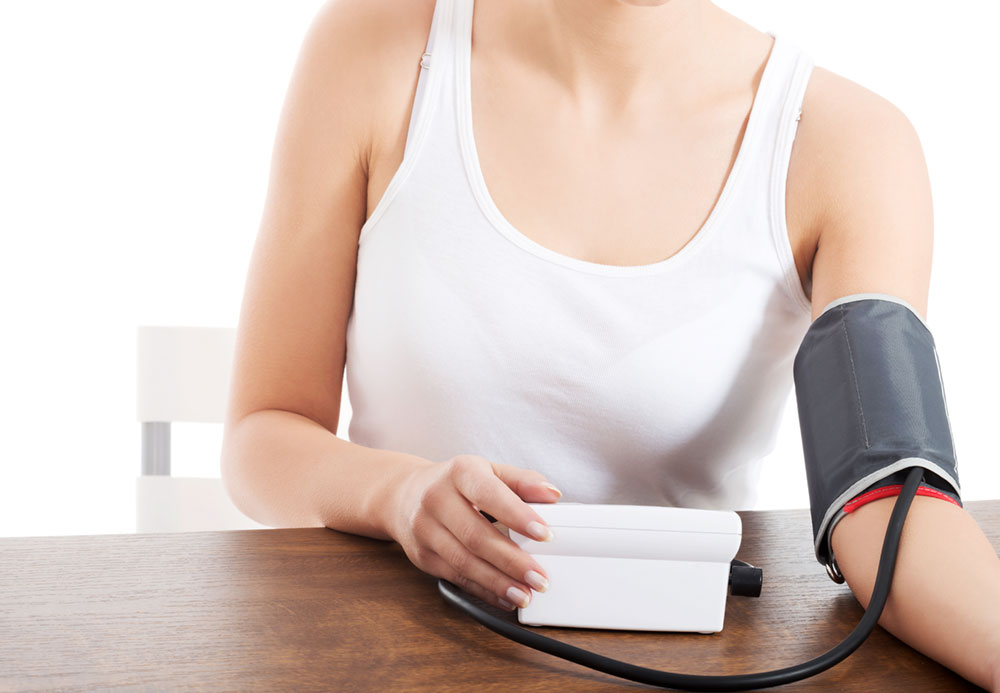
The repeated arousals caused by sleep apnea keep the sympathetic nervous system in a state of chronic activation. This raises heart rate and blood pressure, strains the cardiovascular system, and promotes atherosclerosis—the buildup of plaque in the arteries.
For patients with diabetes, who are already at elevated risk for coronary artery disease and heart failure, this additional cardiovascular stress is particularly dangerous. Managing sleep apnea is, therefore, a cardiovascular intervention as much as a sleep one.
Obesity, Adipose Tissue, and the Shared Risk Factor
Obesity—particularly excess adipose tissue around the neck and throat—is one of the most powerful risk factors for both obstructive sleep apnea and type 2 diabetes. A high body mass index (BMI) increases the likelihood of airway obstruction during sleep, while visceral fat drives systemic inflammation and insulin resistance.
This shared etiology means that weight management is a cornerstone of treatment for both conditions. Even modest weight loss of 5–10% of body weight can meaningfully reduce the severity of both sleep apnea and hyperglycemia.

How Sleep Apnea Worsens Diabetes Management
For patients already managing diabetes, untreated sleep apnea can feel like an invisible saboteur. Despite following their diabetes medication regimen, eating a healthy diet, and monitoring blood sugar, many patients find that glucose levels remain erratic or difficult to control. Sleep apnea is frequently the missing piece. Here’s how it undermines diabetes management:
- Increased insulin resistance: Intermittent hypoxia and elevated stress hormones reduce the body’s sensitivity to insulin, making blood sugar harder to control even with medication.
- Impaired glucose tolerance: Poor oxygen saturation during sleep directly impairs the skeletal muscle’s ability to take up glucose, worsening glycemic control.
- Elevated fasting blood sugar: Cortisol surges during nighttime apnea episodes raise blood glucose levels overnight, leading to elevated fasting readings in the morning.
- Worsened diabetic neuropathy and complications: Hypoxemia and poor circulation associated with sleep apnea can accelerate diabetic neuropathy, polyneuropathy, paresthesia (tingling or numbness), retinopathy, and diabetic foot complications.
- Mental health impact: Chronic fatigue, anxiety, and depression are common in both sleep apnea and diabetes. The combination can be devastating to a patient’s quality of life, motivation to self-manage, and adherence to treatment programs.
Research and systematic reviews published in endocrinology and sleep medicine journals consistently show that treating sleep apnea leads to measurable improvements in insulin sensitivity, HbA1c levels, and overall diabetes management. This is not a peripheral concern—it’s central to comprehensive diabetes care.
How Sleep Apnea and Diabetes Are Identified Together
Because sleep apnea and diabetes so commonly coexist—a comorbidity well-documented in the epidemiology literature—patients diagnosed with one condition should routinely be screened for the other. Dr. Ura will collaborate closely with your primary care physician, endocrinologist, and other specialists to ensure a complete picture of your health.
Diagnosing Sleep Apnea
- Polysomnography (PSG): The gold standard in-lab sleep study, which monitors airflow, oxygen saturation, brain activity, heart rate, and body movements to precisely measure the frequency and severity of apneas and hypopneas.
- Home Sleep Apnea Testing (HSAT): A convenient, cost-effective alternative for patients who are likely to have moderate-to-severe OSA. The device measures breathing, oxygen levels, and carbon dioxide to identify obstructive events.
Clinical Evaluation: Assessment of jaw anatomy, mandible position, tongue size, throat anatomy, and body mass index to determine risk and guide treatment selection.
Diagnosing and Monitoring Diabetes
- Fasting blood glucose tests and HbA1c (A1C) panels measure average blood sugar over 2–3 months and are the primary tools for diagnosing diabetes and prediabetes.
- Continuous glucose monitoring (CGM) devices allow real-time tracking of blood sugar trends, which can help identify the nocturnal glucose spikes associated with sleep apnea.
- Regular monitoring of blood pressure, kidney function (for chronic kidney disease risk), cholesterol, and cardiovascular markers provides a comprehensive metabolic picture.
Treatment Options: What Sleep Apnea Therapy Looks Like
The good news is that effective, evidence-based treatment options exist for sleep apnea—and when properly applied, they can meaningfully improve diabetes outcomes as well. At the Center for Dental Sleep Health in Nashua, NH, Dr. Ura offers the following therapies and works collaboratively with your medical team.
Oral Appliance Therapy (OAT)
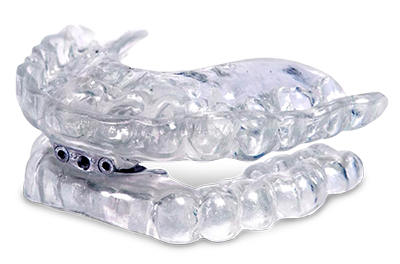
Oral appliance therapy is a dentist-provided, FDA-cleared treatment for mild to moderate obstructive sleep apnea. A custom-fitted oral appliance (sometimes called a mouthguard or mandibular advancement device) repositions the jaw and tongue to keep the airway open during sleep. Unlike CPAP, it requires no mask, no tubing, and no electricity—making it a highly tolerated option for patients who travel, dislike the pressure of CPAP, or have struggled with CPAP compliance.
Dr. Ura custom-fabricates appliances based on precise measurements of your mandible and oral anatomy. The device gently advances the jaw and positions the tongue forward, preventing airway obstruction and reducing the frequency of apneas throughout the night. Many patients notice improved sleep quality, reduced snoring, lower fatigue, and—for diabetic patients—more stable blood sugar levels within weeks of starting therapy.
Positive Airway Pressure (PAP) Therapy
Continuous positive airway pressure (CPAP) therapy remains the most widely prescribed treatment for moderate-to-severe OSA. By delivering a continuous stream of pressurized air through a mask, CPAP keeps the airway open throughout the night, eliminating obstructive events.
For patients with both severe sleep apnea and diabetes, CPAP therapy has been shown in clinical research to reduce HbA1c levels, improve insulin sensitivity, lower blood pressure, and reduce cardiovascular risk. Dr. Ura can coordinate with your sleep physician to ensure seamless integrated care.
Lifestyle Changes and Weight Management
Because obesity is a shared driver of both sleep apnea and diabetes, lifestyle modifications are foundational to treatment. Dr. Ura recommends a comprehensive approach including:
- Weight loss and nutrition: A healthy diet rich in whole foods, fiber, and lean protein supports both weight management and glycemic control. The American Diabetes Association (ADA) recommends individualized medical nutrition therapy for all people with diabetes.
- Regular physical activity: Exercise improves insulin sensitivity, promotes weight loss, enhances cardiovascular health, and has been shown to reduce the severity of both sleep apnea and Type 2 diabetes.
- Sleep hygiene optimization: Maintaining a consistent sleep schedule, avoiding alcohol before bed (which relaxes the airway), sleeping on your side, and creating a dark, cool sleeping environment all reduce apnea severity.
- Diabetes medication management: Optimizing diabetes medications in conjunction with sleep apnea treatment often allows for better glycemic control. Some patients even see a reduction in diabetes medication needs after successfully treating sleep apnea.
Insurance Coverage for Sleep Apnea Treatment in Nashua, NH
Many patients are pleasantly surprised to learn that oral appliance therapy and polysomnography are often covered by medical insurance—not just dental insurance—when sleep apnea is properly documented and diagnosed. Because sleep apnea is a medical condition, most major medical insurance plans, including Medicare and many private carriers, cover diagnostic testing and approved therapies.
Our team at the Center for Dental Sleep Health in Nashua, NH, is experienced in navigating medical insurance billing and will work with you to understand your benefits and minimize out-of-pocket costs. If the coverage isn’t enough, we also provide financing options to ease your financial worries.
Find a Sleep Apnea Dentist Near You in Southern New Hampshire
If you’re searching for a “sleep apnea dentist near me” or “sleep apnea treatment near Nashua, NH,” the Center for Dental Sleep Health is conveniently located to serve patients throughout the region. Dr. Ura proudly provides dental sleep medicine services to patients from:
- Nashua, NH
- Hudson, NH
- Merrimack, NH
- Milford, NH
- Amherst, NH
- Bedford, NH
- Manchester, NH
- Throughout Hampshire County and greater Southern New Hampshire
Whether you’re a new patient seeking your first sleep evaluation or a returning patient looking to optimize your current therapy, Dr. Ura and our team are here to help. Contact our dental office near you today at (603) 886-4300.

Frequently Asked Questions
Are people with diabetes more likely to have sleep apnea?
Yes. The prevalence of obstructive sleep apnea is significantly higher in people with diabetes—particularly type 2 diabetes—than in the general population. Shared risk factors, including obesity, insulin resistance, and systemic inflammation, all increase susceptibility to both conditions.
According to research, up to 70% of type 2 diabetics may have some degree of sleep apnea, though many remain undiagnosed. The American Diabetes Association recommends that patients with diabetes be screened for sleep apnea if they report symptoms like snoring, daytime fatigue, or witnessed apneas.
Can treating sleep apnea improve my blood sugar control?
Yes, and this is one of the most compelling reasons to seek treatment. Multiple studies and systematic reviews in the fields of endocrinology and sleep medicine show that consistent use of CPAP or oral appliance therapy improves insulin sensitivity, lowers HbA1c levels, and stabilizes fasting blood glucose.
The improvements are most pronounced in patients with moderate-to-severe sleep apnea and poor baseline glycemic control. Treating sleep apnea won’t replace your diabetes medication or management program, but it can make your existing treatment significantly more effective.
What is the best sleep apnea treatment for someone with diabetes?
The best treatment depends on the severity of your sleep apnea, your anatomy, lifestyle, and personal preferences. Positive airway pressure (CPAP or BiPAP) is the most effective therapy for moderate-to-severe OSA and is well-supported by the research.
Oral appliance therapy from a qualified dental sleep medicine provider like Dr. Ura is an excellent evidence-based option for mild-to-moderate OSA, particularly for patients who cannot tolerate CPAP. For patients whose sleep apnea is primarily driven by obesity, weight loss can be transformative. A comprehensive evaluation is the best starting point
Can children with diabetes have sleep apnea?
Yes. Children with diabetes—especially those with obesity or poor glycemic control—are at elevated risk for sleep apnea. Pediatric sleep apnea can manifest differently than in adults; children may not snore loudly but may exhibit restless sleep, bedwetting, behavioral problems, difficulty concentrating at school, and unusual sleep positions.
Early diagnosis and treatment are particularly important in children, as untreated OSA can affect growth hormone secretion, cognitive development, and metabolic health during critical developmental years.
Is snoring a sign of sleep apnea, and should I be concerned if I snore and have diabetes?
Snoring is one of the most common symptoms of obstructive sleep apnea, though not everyone who snores has OSA. If you snore and have been diagnosed with diabetes, prediabetes, or metabolic syndrome, it is strongly advisable to undergo a formal sleep evaluation. Even primary snoring (without full apneas) can be associated with sleep fragmentation and mild hypoxemia that disrupts glucose metabolism. The potential benefit of identifying and treating a coexisting sleep disorder far outweighs the inconvenience of a sleep study.
Does medical insurance cover sleep apnea treatment?
In most cases, yes. Because sleep apnea is a diagnosed medical condition, diagnostic testing and approved therapies (including oral appliances and CPAP) are typically covered under medical insurance—not dental insurance.
Coverage varies by plan, but most major commercial insurers, Medicare, and Medicaid cover polysomnography and oral appliance therapy when medical necessity is established. Our team will verify your benefits and help you navigate the prior authorization process before you incur any out-of-pocket costs.
What is the relationship between sleep apnea and diabetic neuropathy?
Diabetic neuropathy—nerve damage caused by chronically elevated blood sugar—affects the peripheral nervous system and can cause paresthesia (tingling, numbness), pain, and weakness, particularly in the feet and legs (polyneuropathy and diabetic foot complications).
Sleep apnea worsens neuropathy through two primary mechanisms: intermittent hypoxia reduces oxygen delivery to already-vulnerable nerve tissue, and the systemic inflammation and oxidative stress associated with OSA accelerate nerve damage. Patients with both conditions are at significantly higher risk of severe neuropathic complications. Treating sleep apnea is an important part of a comprehensive neuropathy management program.
Take the First Step and Schedule with a Sleep Apnea Dentist Near You in Nashua, NH
If you or someone you love is living with diabetes and struggling with sleep, fatigue, or unexplained fluctuations in blood sugar, sleep apnea may be a significant contributing factor. You don’t have to manage these conditions in isolation—integrated care that addresses both together produces far better outcomes than treating either alone.
Dr. Stephen Ura and the team at the Center for Dental Sleep Health in Nashua, NH, are ready to help you breathe better, sleep better, and manage your diabetes more effectively. We welcome new and returning patients from Nashua, Hudson, Merrimack, Milford, Bedford, Amherst, Manchester, and throughout Southern New Hampshire.
Call our Nashua dental office today at (603) 886-4300 to schedule your consultation. A better night’s sleep—and better health—starts with a single phone call.