Tired of Your CPAP? Explore Effective Sleep Apnea Treatment Alternatives in Nashua, NH
If you’ve been diagnosed with obstructive sleep apnea but struggle to use your CPAP machine, you’re not alone. A mask that feels restrictive, uncomfortable pressure, air leaks, or difficulty sleeping with the equipment can make treatment challenging. But struggling with CPAP doesn’t mean you’ve failed at treating your sleep apnea.
At the Center for Dental Sleep Health, located within Levesque Dentistry in Nashua, NH, Dr. Tara Levesque-Vogel and Dr. Keith Levesque help patients explore whether oral appliance therapy may be an appropriate alternative. We take time to understand your diagnosis, what you’ve experienced with CPAP, and what you need from your treatment.
For many patients, a custom oral appliance offers a quieter, more portable way to manage obstructive sleep apnea. The right treatment depends on your diagnosis, the severity of your condition, and your individual health needs.
Having trouble with CPAP? Call the Center for Dental Sleep Health at (603) 886-4300 to discuss your options.
Is It Time to Explore an Alternative to CPAP?

Patients come to us for different reasons. Understanding your situation helps us determine what to discuss during your consultation.
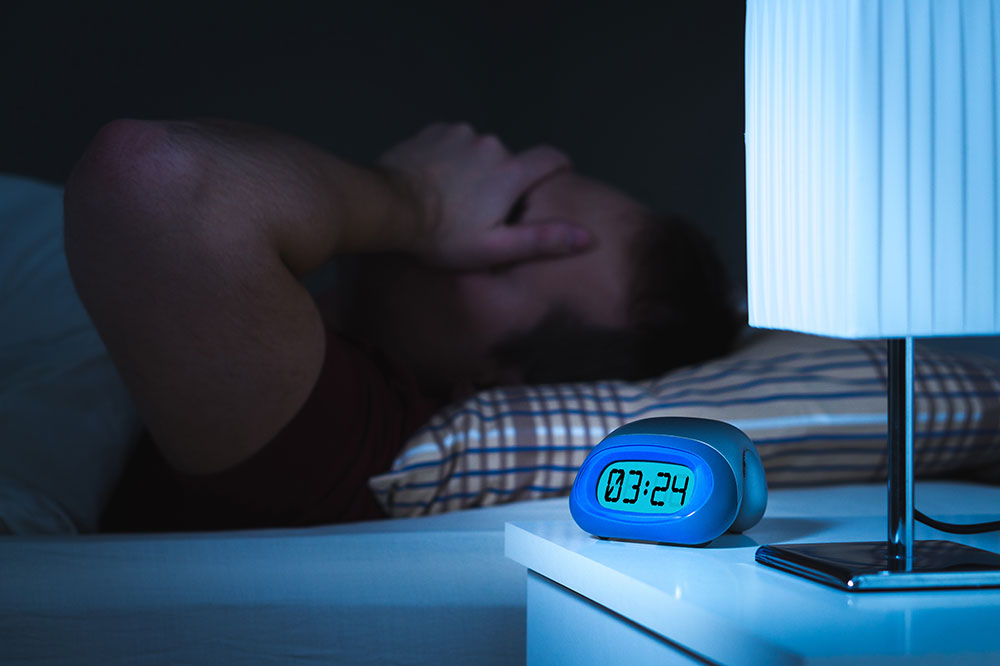
- Your CPAP Mask Is Uncomfortable. Pressure marks, air leaks, dryness, and difficulty finding a comfortable fit can interfere with sleep. Some issues may be addressed by adjusting your existing equipment; others may lead you to explore different treatment options.
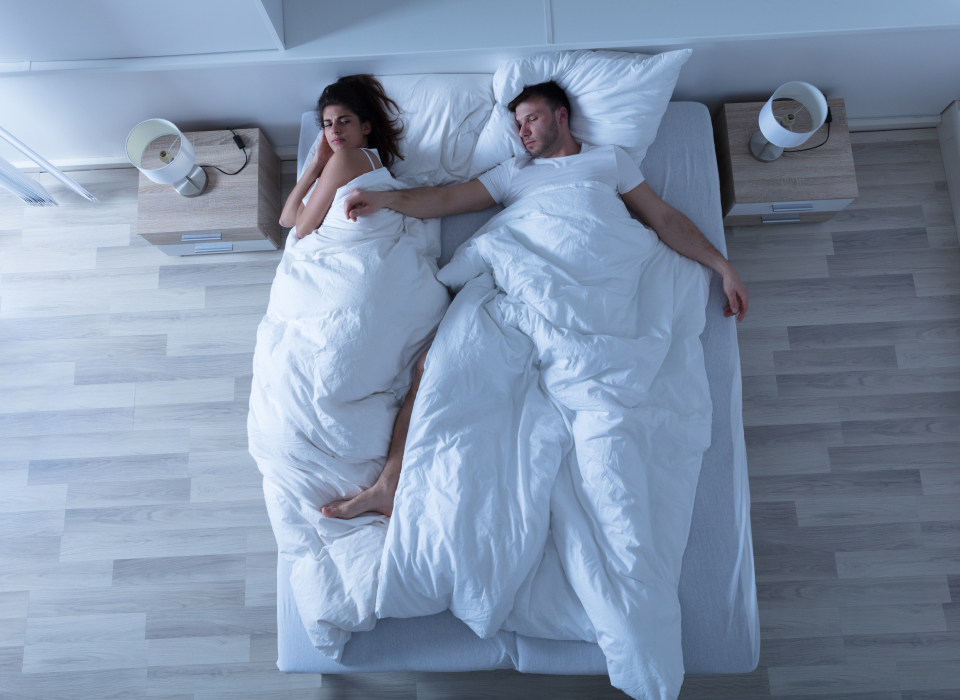
- The Machine Disrupts Your Sleep. Equipment noise, tubing, and the feeling of wearing a mask can make it difficult to settle down at night.
- You Travel Frequently. Packing and maintaining a CPAP machine can add another step to your routine. A custom oral appliance is compact and doesn’t require electricity.
- You’ve Stopped Using CPAP Consistently. If you’re having trouble following your prescribed treatment, speak with your medical provider rather than leaving your sleep apnea untreated.
- Your Physician Recommended an Oral Appliance. If your sleep physician has referred you for dental sleep medicine, we’ll review your available diagnostic information and assess whether oral appliance therapy is appropriate.
Whatever your reason for considering an alternative, you deserve to understand your options without feeling judged for the difficulties you’ve experienced.
What Are Your Options Besides CPAP?
CPAP remains a highly effective treatment for obstructive sleep apnea, particularly for moderate to severe cases. However, it isn’t the only option for every patient. Depending on your diagnosis and treatment history, your medical provider may discuss several approaches.
Custom Oral Appliance Therapy
Oral appliance therapy is one of the main alternatives to CPAP for appropriately selected patients with obstructive sleep apnea. A custom oral appliance is worn over the teeth during sleep. Many devices work by gently positioning the lower jaw forward to help keep the airway open. Unlike CPAP, an oral appliance doesn’t require a mask, hose, or machine.
Oral appliance therapy may be appropriate for adults with mild to moderate obstructive sleep apnea and for some patients with more severe disease who cannot tolerate CPAP or need another treatment approach.
Potential benefits include:
- A Compact Design: The appliance fits in a small case, making it convenient for travel.
- Quiet Use: There’s no motor or airflow noise from the device.
- A Straightforward Routine: You wear the appliance during sleep without setting up a machine.
- A Custom Fit: The device is made for your mouth and adjusted to your treatment needs.
Oral appliances can cause side effects, including jaw discomfort, tooth discomfort, changes in your bite, or excessive salivation or dryness. Professional fitting and follow-up help identify and address these concerns. Treatment effectiveness must also be assessed. A device that feels comfortable doesn’t automatically mean your sleep apnea is adequately controlled. Your medical provider may recommend follow-up sleep testing to evaluate your response.
The Oral Appliances We Offer
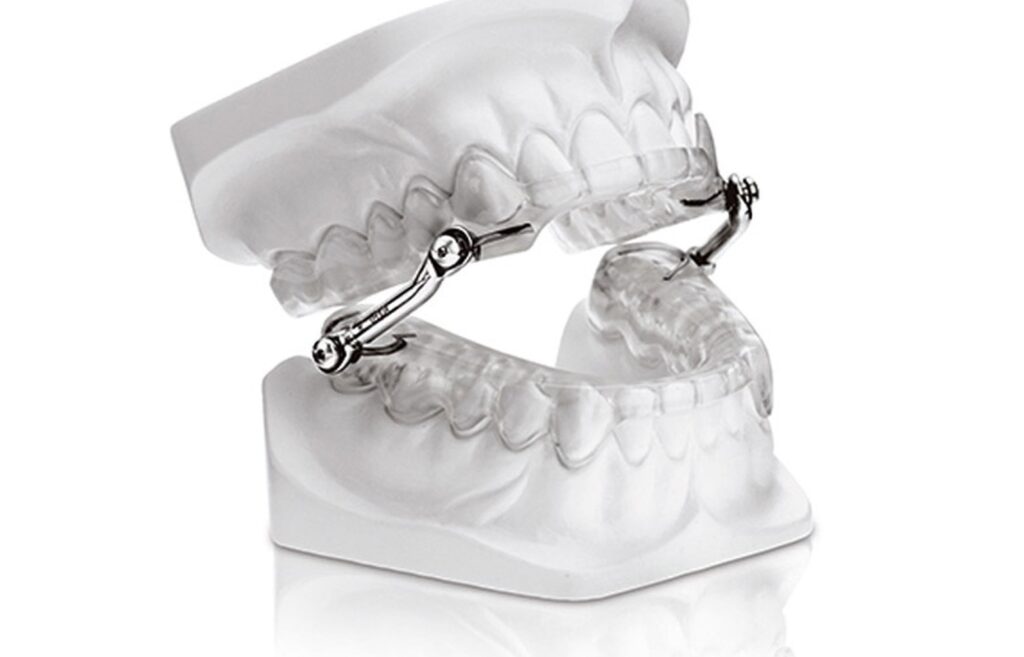
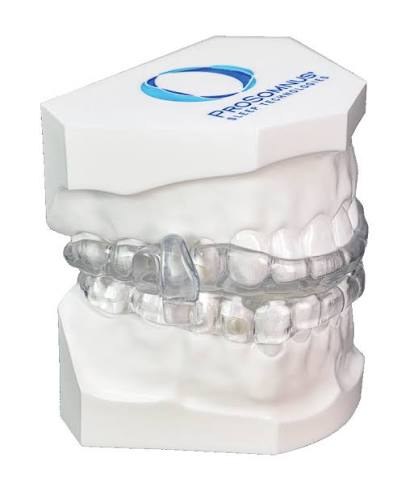
At the Center for Dental Sleep Health, we offer the Herbst appliance and the ProSomnus EVO® Guided Sleep and Snore Device. Both are oral appliance options, but they have different designs.
Herbst Appliance
A Herbst-style appliance uses a mechanism connecting the upper and lower components to help maintain a forward position of the lower jaw during sleep. This can help reduce airway obstruction in appropriately selected patients. The specific design, adjustments, and features depend on the appliance being provided. During your consultation, we’ll discuss how the device works, whether it fits your needs, and what to expect during fitting and follow-up.
ProSomnus EVO® Guided Sleep and Snore Device
The ProSomnus EVO® Guided Sleep and Snore Device is a precision oral appliance designed for sleep-related breathing treatment. Its guided-post design helps direct jaw positioning during use. As with other custom oral appliances, suitability depends on your diagnosis, dental health, and individual treatment needs. Our team can explain the device’s design, fitting process, and follow-up requirements as part of your evaluation.
Which Appliance Is Right for You?
There isn’t one appliance that is best for everyone. We consider your diagnosis, oral health, jaw comfort, previous treatment experience, and other relevant clinical factors when determining which option may be appropriate. Our goal is to help you understand the differences and make an informed decision rather than simply choosing a device based on its features.
Other Treatments Your Medical Provider May Consider
Oral appliance therapy isn’t the right solution for every patient. Depending on your circumstances, your physician or sleep specialist may discuss other options, such as:
- Adjustments to Positive Airway Pressure Therapy: Different mask styles, humidification, pressure settings, or other prescribed PAP approaches may help some patients who struggle with standard CPAP.
- Positional Therapy: For patients whose sleep apnea is strongly affected by sleeping position, strategies to reduce back-sleeping may be useful as part of a treatment plan.
- Lifestyle Changes: Changes in weight, alcohol use, or other factors may help some patients, although lifestyle changes alone are not a substitute for prescribed treatment when sleep apnea requires it.
- Surgical or Implant-Based Treatments: Certain patients may be candidates for specialist evaluation for procedures or other therapies, depending on the cause and severity of their sleep apnea.
These options have different indications and limitations. Your sleep physician can help determine which treatments are medically appropriate and coordinate care with other providers when needed.


Why Choose the Center for Dental Sleep Health?
Treating sleep apnea with an oral appliance involves more than selecting a device. The appliance must be appropriate for your diagnosis, fit your mouth, and be monitored to help determine whether treatment is working.
Our focus on dental sleep medicine helps us approach these decisions with attention to your sleep, airway, oral health, and overall well-being. We also recognize that a treatment plan needs to work in your daily life if you’re going to use it consistently.
Care That Starts by Listening
Dr. Keith Levesque explains, “First, we’ll listen. We want to understand your diagnosis, your experience with CPAP, and what has or hasn’t worked for you.”
That conversation helps us understand what has made treatment difficult and what you hope to improve. We’ll explain oral appliance therapy, answer your questions, and assess whether it may be an appropriate alternative.
Dr. Tara Levesque-Vogel shares a similar philosophy. She wants patients to know that difficulty with CPAP doesn’t mean they’ve failed. Her approach considers the patient’s sleep, health, treatment experience, and overall well-being rather than focusing on the appliance alone.
Specialized Training and Long-Term Follow-Up
Dental sleep medicine involves specialized knowledge of sleep-related breathing disorders, oral appliance selection, fitting, and treatment monitoring.
As Dr. Keith Levesque explains, additional training matters when choosing among different appliances and helping minimize the risk of side effects or ineffective treatment.
Dr. Tara Levesque-Vogel also emphasizes the importance of understanding each patient’s airway, sleep, and overall health. Our approach includes appropriate follow-up so concerns can be addressed and treatment effectiveness can be evaluated in coordination with your medical provider.
Dr. Stephen Ura’s experience in dental sleep medicine continues to contribute to the Center’s approach to care, alongside the ongoing care provided by Drs. Levesque-Vogel and Levesque.
What to Expect at Your Consultation
If you’re considering an alternative to CPAP, we’ll help you understand the steps involved before you make a treatment decision.
- We’ll Discuss Your Diagnosis and CPAP Experience: We’ll ask about your sleep apnea diagnosis, sleep study results, previous treatments, and the specific problems you’ve encountered with CPAP.
- We’ll Review Whether Oral Appliance Therapy May Be Appropriate: Your diagnosis, severity of sleep apnea, oral health, and other clinical considerations all play a role. If additional medical information is needed, we’ll explain what should happen next.
- We’ll Explain Your Appliance Options: If you’re a candidate, we’ll discuss the Herbst appliance and ProSomnus EVO® Guided Sleep and Snore Device, including their designs, fitting considerations, and potential limitations.
- We’ll Plan for Fitting and Follow-up: If you proceed with an appliance, we’ll arrange the necessary fitting and adjustments. Follow-up appointments help assess comfort, identify side effects, and determine whether further adjustments are needed.
- We’ll Coordinate Treatment Monitoring: Your sleep physician may recommend repeat sleep testing to evaluate whether the appliance is controlling your sleep apnea. We want you to understand that treatment effectiveness involves more than simply wearing the device.


Will Insurance Cover a CPAP Alternative?
Oral appliance therapy may be covered by medical insurance or Medicare for eligible patients, depending on the plan, diagnosis, documentation, and coverage requirements. The Center for Dental Sleep Health works with Medicare DME coverage and many medical insurance plans. However, coverage and out-of-pocket costs vary, so benefits should be verified before treatment begins.
When you contact us, we can help you understand what information may be needed to check your benefits. Ask about deductibles, copayments, referral requirements, and any other expenses associated with your recommended treatment. If you would like to discuss coverage or obtain information about expected costs, call (603) 886-4300.
Frequently Asked Questions
Can I switch from CPAP to an oral appliance if I have severe sleep apnea?
Some patients with severe obstructive sleep apnea may be candidates for oral appliance therapy, particularly if they can’t tolerate CPAP. However, suitability depends on individual clinical circumstances. Discuss any change in treatment with your sleep physician and ensure that treatment effectiveness is appropriately monitored.
Do I need another sleep study if I already have a diagnosis?
Not necessarily. Your existing sleep study and medical records may provide the information needed for an initial evaluation. Whether additional testing is required depends on the information available and your clinical needs. Repeat testing may also be recommended after treatment begins to assess effectiveness.
How long does it take to get used to an oral appliance?
The adjustment period varies from person to person. Some patients adapt relatively quickly, while others need time and adjustments to address jaw discomfort, tooth soreness, or other concerns. Your dental sleep medicine team can help monitor your progress.
Can an oral appliance stop snoring even if I don't have sleep apnea?
Oral appliances may help reduce snoring in appropriate patients, but snoring can have different causes. If you snore regularly, especially if you also experience pauses in breathing or daytime sleepiness, seek medical evaluation to determine whether sleep apnea may be present.
How do I get started with the Center for Dental Sleep Health?
Call (603) 886-4300 to discuss a consultation. If you’ve already had a sleep study or have been referred by a physician, bring your results, referral information, and details about your CPAP experience if available. Our team can explain the next steps.
Let’s Find a Treatment Approach That Works for You.
Struggling with CPAP can be frustrating, but it doesn’t mean you have to navigate your options alone. At the Center for Dental Sleep Health, we take time to understand your experience, explain available treatments, and determine whether oral appliance therapy may be suitable for your needs.
If you’ve been diagnosed with obstructive sleep apnea and want to explore an alternative to CPAP, contact our team to discuss your next step. Call (603) 886-4300 to schedule a consultation with our Nashua sleep apnea dentists. We welcome patients from Nashua and surrounding communities, including Hudson, Merrimack, and Milford.