Struggling With CPAP? Let’s Talk About the Herbst Appliance
If you’ve been diagnosed with obstructive sleep apnea (OSA) but struggle to sleep comfortably with CPAP, you may wonder whether there’s another way to manage your condition. Maybe the mask feels uncomfortable, the equipment makes travel difficult, or you simply can’t get used to wearing it every night. You aren’t alone, and struggling with CPAP doesn’t mean you’ve failed at treating your sleep apnea.
At the Center for Dental Sleep Health in Nashua, NH, Dr. Tara Levesque-Vogel and Dr. Keith Levesque provide custom oral appliance therapy, including the Herbst Advance, for adults with obstructive sleep apnea (OSA) and chronic snoring. We’ll review your diagnosis, dental health, and treatment experience to determine whether this approach may be right for you.
Call our sleep dentists in Vogel at (603) 886-4300 to discuss your options. We welcome patients from Nashua, Hudson, Merrimack, Milford, and surrounding Southern New Hampshire communities.
What Is a Herbst Appliance for Sleep Apnea?
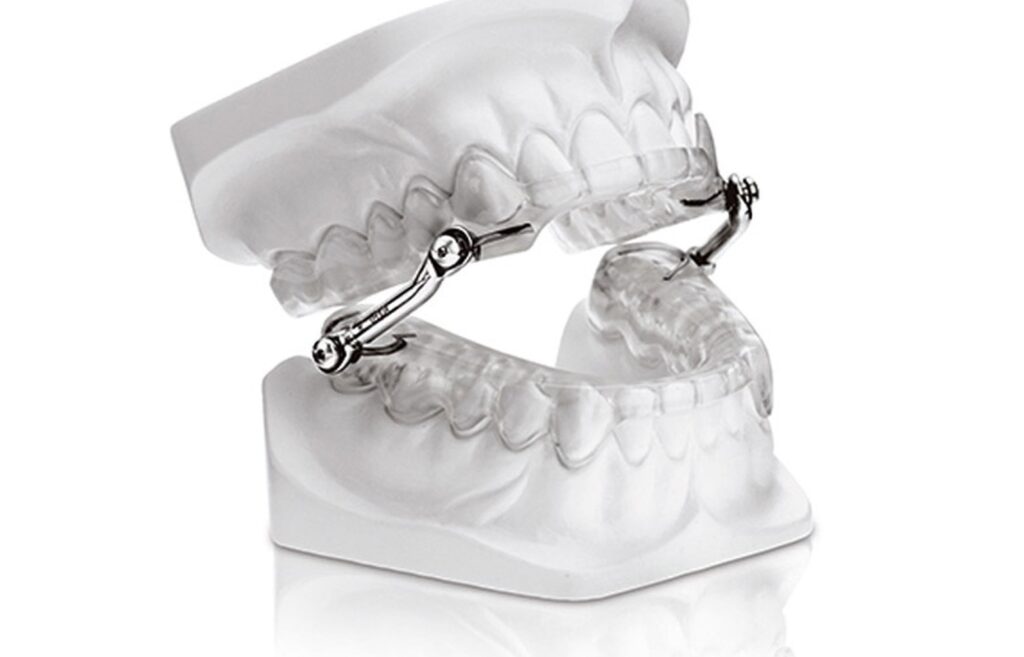
A Herbst appliance for sleep apnea is a custom-made oral device that gently holds your lower jaw forward while you sleep. This helps keep your airway open without a mask, hose, or machine. That movement helps keep the tongue and surrounding soft tissues from falling backward and obstructing your airway during sleep. The goal is to reduce airway blockage and improve breathing throughout the night. For appropriately selected patients, it can offer an alternative to CPAP.
While the Herbst design was originally developed for orthodontic treatment, dental sleep medicine adapted the same basic mechanism to create mandibular advancement devices (MADs) for adults with obstructive sleep apnea and snoring. Because the appliance is made for your mouth, it differs from a generic mouthguard or an over-the-counter device. Its fit and jaw position are adjusted under professional supervision.
How the Herbst Advance Works
The Herbst Advance, manufactured by SomnoMed as part of its SomnoDent line, is a Herbst-style oral appliance with several features intended to support adjustment, comfort, and durability.
- Adjustable Jaw Positioning: A visible calibration indicator helps track how far the lower jaw has been advanced. This allows the treatment team to monitor adjustments over time.
- A Mechanism to Help Maintain Its Setting: The appliance incorporates an anti-wind-back mechanism intended to help keep the jaw position from drifting backward overnight.
- Reinforced Construction: Its reinforced components are designed to help withstand the forces associated with regular use.
- A Custom Fit: Impressions or a digital scan are used to create an appliance that fits your teeth and bite.
- Freedom to Open Your Mouth: The side connections allow you to open and close your mouth, making it possible to perform simple actions such as yawning or sipping water without removing the appliance.
The adjustment process is just as important as the device itself. We advance your jaw gradually, checking your comfort and response at follow-up visits rather than assuming one position will work for everyone. The manufacturer states that its devices are FDA-cleared. During your consultation, we can discuss the Herbst Advance and whether its design is appropriate for your needs.
Is a Herbst Appliance Better Than CPAP?
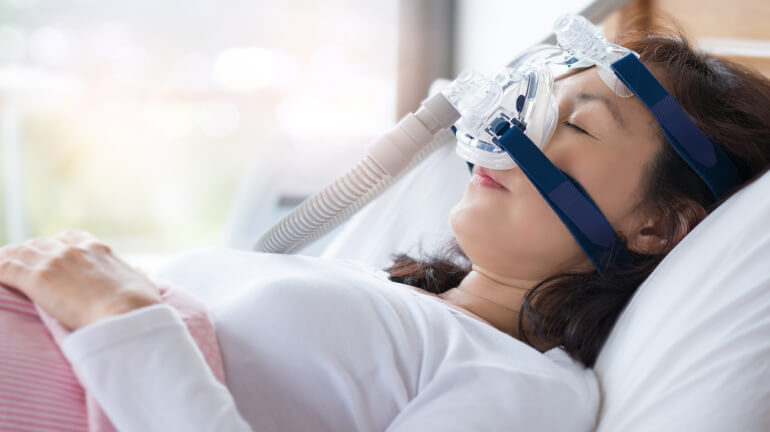
The right treatment depends on your diagnosis, the severity of your sleep apnea, your health, and what you can use consistently.
CPAP delivers pressurized air through a mask to help keep the airway open. It generally reduces breathing interruptions more effectively than oral appliance therapy and remains an important first-line treatment, particularly for severe obstructive sleep apnea.
A Herbst appliance works differently. Instead of delivering air pressure, it repositions your lower jaw to help maintain an open airway. For some adults who can’t tolerate CPAP or prefer another option, a custom oral appliance may be an appropriate alternative.
Here are some practical differences to consider:
- Comfort: A Herbst appliance avoids the mask and tubing associated with CPAP, although some patients experience initial jaw or tooth soreness.
- Travel: The appliance fits in a small case and doesn’t require electricity, distilled water, or machine filters.
- Noise: The oral appliance operates silently, which may be helpful if CPAP equipment noise disrupts your sleep or your partner’s.
- Treatment Effectiveness: CPAP generally provides greater reductions in breathing events, so an oral appliance isn’t automatically an equivalent substitute.
- Nightly Use: An appliance may be easier for some patients to wear consistently, but comfort and adherence vary from person to person.
The American Academy of Sleep Medicine (AASM) and American Academy of Dental Sleep Medicine (AADSM) recommend considering oral appliance therapy for adults with OSA who can’t tolerate CPAP or prefer an alternative. A custom, adjustable appliance fitted by a qualified dentist is preferred over an over-the-counter device for treating OSA.
If you’re unsure whether to keep working with CPAP or explore another option, our guides to common CPAP side effects and CPAP alternatives in Nashua can help you learn more.
Herbst Appliance vs. Other Oral Appliances
The Herbst Advance is one of several designs used in oral appliance therapy. Herbst-style appliances connect the upper and lower trays with rods and tubes on either side. Their construction and limited side-to-side movement may appeal to some patients, including those who clench or grind their teeth. However, jaw health and grinding habits must be evaluated before choosing a design.
Another option is a dorsal-fin appliance, which uses a fin or wing at the front of the trays to position the lower jaw. Neither type is the right choice for everyone. Your teeth, bite, jaw comfort, and treatment goals all influence which appliance we recommend.
At the Center for Dental Sleep Health, we don’t view treatment as simply selecting a device. We consider how the appliance fits your mouth, whether your jaw can tolerate the position, and how we’ll monitor your progress over time.


Could You Be a Candidate for a Herbst Appliance?
A Herbst appliance may be worth considering if you have a confirmed diagnosis of obstructive sleep apnea and have struggled with CPAP or prefer to explore an alternative.
During your evaluation, we consider several factors:
- Your Sleep Study Results: A physician must diagnose your sleep apnea and help guide your treatment.
- Your Dental Health: You need suitable teeth and oral structures to support the appliance.
- Your Jaw Function: Existing jaw pain or temporomandibular joint (TMJ) problems may affect whether a particular design is appropriate.
- Your Treatment History: We’ll discuss how CPAP has worked for you, any difficulties you’ve experienced, and what you’d like to improve.
- Your Overall Health: Your diagnosis, symptoms, and other medical considerations help determine whether oral appliance therapy is a reasonable option.
A Herbst appliance isn’t appropriate for every sleep-related condition. Because it targets airway obstruction, it doesn’t treat central sleep apnea, which involves problems with the brain’s signals controlling breathing. Other conditions, including narcolepsy and circadian rhythm disorders, also require different treatment approaches. For severe OSA, your sleep physician may recommend CPAP first or as part of your treatment plan. Children with sleep apnea also need a different evaluation and treatment approach.
If jaw discomfort is a concern, you can learn more about the relationship between TMJ disorder and sleep apnea.
What to Expect When You Visit the Center for Dental Sleep Health
If you’re frustrated with CPAP, you may be tired of trying solutions that don’t seem to work. Our first step is to listen and understand what you’ve experienced so far.
As Dr. Keith Levesque explains:
“First, we’ll listen. We want to understand your diagnosis, your experience with CPAP, and what has or hasn’t worked for you. We’ll explain oral appliance therapy, answer your questions, and determine whether it may be an appropriate alternative. Our goal is to help you find an effective treatment that you can realistically and comfortably use.”
Here’s how treatment typically progresses at the Center for Dental Sleep Health.
- Consultation and Evaluation: We’ll review your symptoms, medical history, sleep study results, and experience with CPAP. We’ll also examine your teeth, gums, bite, and jaw function to assess whether an oral appliance is suitable. If you haven’t had a sleep study, we can help you understand the next steps toward arranging one.
- Custom Appliance Fabrication: If we determine that a Herbst appliance is appropriate, we’ll take impressions or a digital scan of your teeth. The appliance is then fabricated to fit your mouth and bite.
- Fitting and Initial Adjustments: At your delivery visit, we’ll check the fit, explain how to insert and remove the device, and show you how to clean and care for it. We’ll also establish the initial jaw position.
- Gradual Adjustments: You may need several follow-up appointments as we advance the jaw in small increments. These visits allow us to assess comfort, address problems, and work toward a position that supports your breathing without causing unnecessary discomfort.
- Follow-Up Sleep Testing and Monitoring: Feeling better is encouraging, but symptoms alone can’t confirm that your sleep apnea is adequately controlled. A follow-up sleep test helps determine whether the appliance is effective. We’ll coordinate with your sleep physician and arrange ongoing dental monitoring to assess the fit, jaw comfort, teeth, and bite over time.
Our goal is not simply to provide an appliance and send you home. We want you to understand your treatment, know what to expect, and have a plan for monitoring your results.

Side Effects and Long-Term Care
Most patients tolerate oral appliance therapy, but moving the jaw forward can cause side effects, particularly while you’re adjusting to the device.
You may initially experience:
- Jaw or tooth soreness
- Increased saliva or dry mouth
- A temporary feeling that your bite is different when you wake up
These effects may improve as you adapt, but persistent pain should be evaluated rather than ignored. Over the longer term, oral appliance therapy can cause changes in tooth position or bite alignment. That’s why regular follow-up visits are an important part of treatment. We’ll monitor your teeth, bite, and jaw and adjust the appliance or treatment plan if needed.
Daily care is straightforward. Clean the appliance as instructed, using a soft brush and cool water, and store it safely when you’re not wearing it. We’ll review the specific care instructions for your device at the fitting appointment.
Herbst Appliance Cost, Medicare, and Insurance in Nashua
Cost and insurance coverage are common concerns when considering a different sleep apnea treatment. Coverage depends on your insurance plan, diagnosis, documentation, and other eligibility requirements.
The Center for Dental Sleep Health is a listed Medicare durable medical equipment (DME) provider. Medicare may cover a custom mandibular advancement device for diagnosed obstructive sleep apnea when applicable requirements are met, including a qualifying sleep study and a physician’s order. Additional documentation may be required when CPAP has not been tolerated or is not appropriate.
Many commercial insurance plans, including Blue Cross Blue Shield of New Hampshire, may also cover oral appliances for diagnosed sleep apnea. Benefits vary by plan, so we verify your coverage and explain the expected costs before treatment begins.
If you have out-of-pocket expenses, CareCredit and LendingClub financing are available. Contact our office at (603) 886-4300 to discuss your coverage and the costs associated with your treatment. We’ll help you understand the financial details before you decide how to proceed.

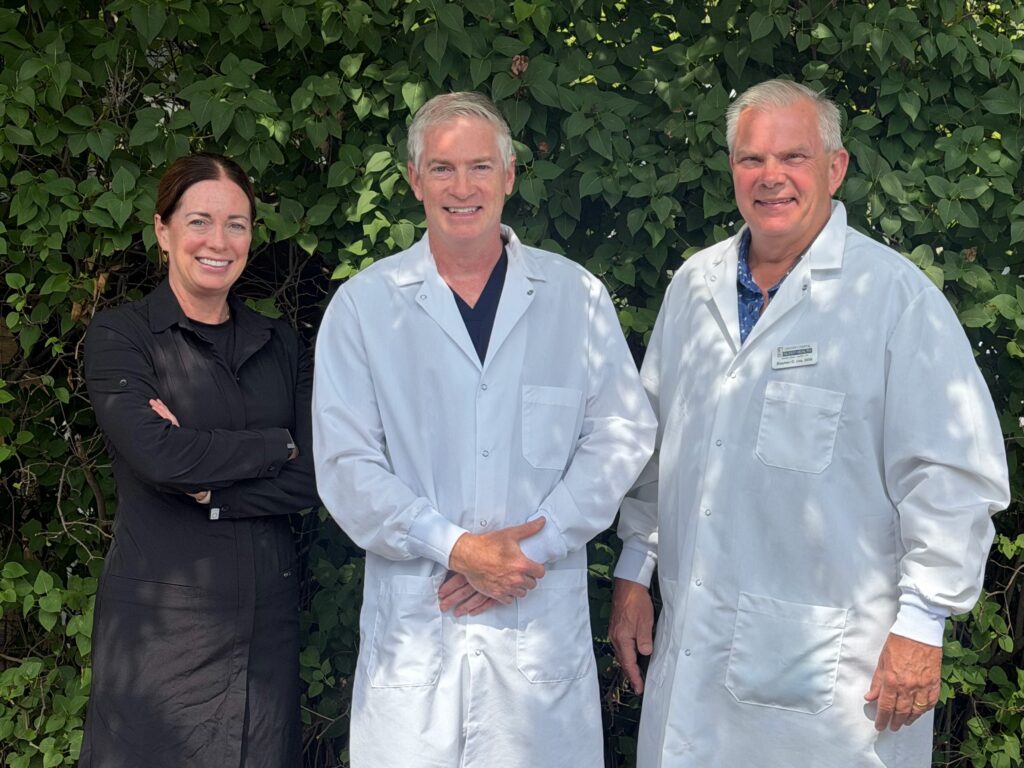
Meet Your Dental Sleep Team
Your treatment involves more than choosing an oral appliance. It requires an understanding of sleep apnea, dental health, jaw function, and the importance of long-term follow-up.
At the Center for Dental Sleep Health, our doctors bring different backgrounds and experience to the care of patients with sleep-related breathing disorders.
- Dr. Tara Levesque-Vogel, DMD, graduated from the University of Pittsburgh School of Dental Medicine and has advanced training in dental implants, restorative dentistry, and dental sleep medicine. She is a member of the New Hampshire Dental Society and a past President of the New Hampshire Board of Dental Examiners.
- Dr. Keith Levesque, DDS, earned an engineering degree from Worcester Polytechnic Institute, designed medical devices for W. L. Gore & Associates, and graduated from Harvard School of Dental Medicine. He completed the American Academy of Dental Sleep Medicine’s Mastery Program, with a clinical focus on airway health, TMJ function, and oral appliance therapy.
- Dr. Stephen Ura is a Diplomate of the American Board of Dental Sleep Medicine who continues to mentor the team, bringing more than 30 years of dental sleep medicine experience.
Dr. Tara and Dr. Keith emphasize that effective care begins with understanding the individual patient. Their approach reflects the importance of looking beyond the appliance itself to consider sleep, airway health, comfort, and long-term treatment results.
Herbst Appliance in Nashua and Southern New Hampshire
The Center for Dental Sleep Health is located at 193 Kinsley St., Nashua, NH 03060, inside Levesque Dentistry, with ample parking.
We welcome patients from Nashua and nearby communities, including:
- Hudson, NH
- Merrimack, NH
- Amherst, NH
- Hollis, NH
- Milford, Litchfield, and Bedford
Office hours: Monday through Wednesday, 7:30 AM–5:00 PM; Thursday, 7:30 AM–4:00 PM.
If you’re looking for a Herbst appliance near you, our team can help you understand whether oral appliance therapy may be an appropriate option and coordinate the dental side of your care with your sleep physician.
Frequently Asked Questions
I live in Hudson or Merrimack. How many visits will I need?
Plan on an initial consultation, an appliance delivery visit, and several follow-up appointments during the first weeks or months. The exact schedule depends on how your appliance needs to be adjusted and how you respond to treatment.
I had a sleep study at a hospital in Manchester. Do I need another one to see you?
Usually, we can review your existing sleep study results and coordinate with your sleep physician. A follow-up sleep test after you begin treatment helps confirm whether the appliance is working effectively.
Do I need a referral or prescription?
A sleep study confirming obstructive sleep apnea is required, and a physician’s order is typically needed for insurance coverage. If you haven’t been tested yet, our team can help you understand how to get started.
Can a Herbst appliance stop my snoring?
It can reduce snoring for some patients by moving the lower jaw forward and helping keep the airway open. Because persistent or loud snoring can indicate sleep apnea, an appropriate evaluation is important before beginning treatment.
How long does it take to get used to a Herbst appliance?
Some patients adapt within days, while others need several weeks. Initial jaw or tooth soreness and temporary changes in how your bite feels can occur, so follow-up visits help us address discomfort and adjust the appliance as needed.
Let’s Discuss Your Options for Better Sleep
If CPAP has been difficult to tolerate, you don’t have to figure out your next step alone. The Center for Dental Sleep Health can review your diagnosis, discuss oral appliance therapy, and help you understand whether a Herbst appliance may be appropriate for you.
Call our sleep apnea dentists in Vogel at (603) 886-4300 or request an appointment online. We welcome patients from Nashua, Hudson, Merrimack, Milford, and surrounding Southern New Hampshire communities.