A CPAP Alternative Worth Exploring
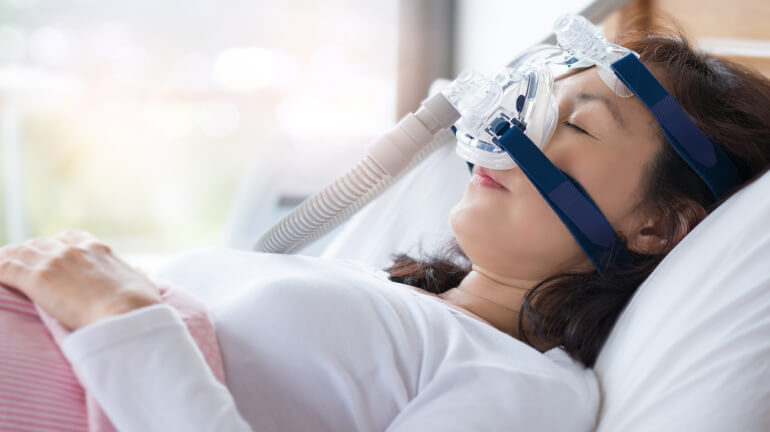
You bought the CPAP machine, tried the mask, and maybe even gave it several months. But if you still struggle to sleep comfortably with it, you may be wondering whether there’s another way to treat your sleep apnea. At Center for Dental Sleep Health in Nashua, NH, we help patients explore treatment options that fit their needs, including custom oral appliances such as the ProSomnus EVO® Guided Sleep and Snore Device. This small, removable appliance is worn over your teeth while you sleep. It works without a mask, hose, or power outlet.
Struggling with CPAP doesn’t mean you’ve failed at treating your sleep apnea. Our goal is to understand what you’ve experienced, explain your options, and determine whether oral appliance therapy could help you sleep and feel better.
Dr. Tara Levesque-Vogel and Dr. Keith Levesque provide dental sleep medicine care for patients in Nashua, Hudson, Merrimack, Milford, Amherst, Hollis, and surrounding Southern New Hampshire communities. Call our sleep apnea specialists in Nashua at (603) 886-4300 to discuss your options.

Could a ProSomnus Sleep Apnea Device Help You?
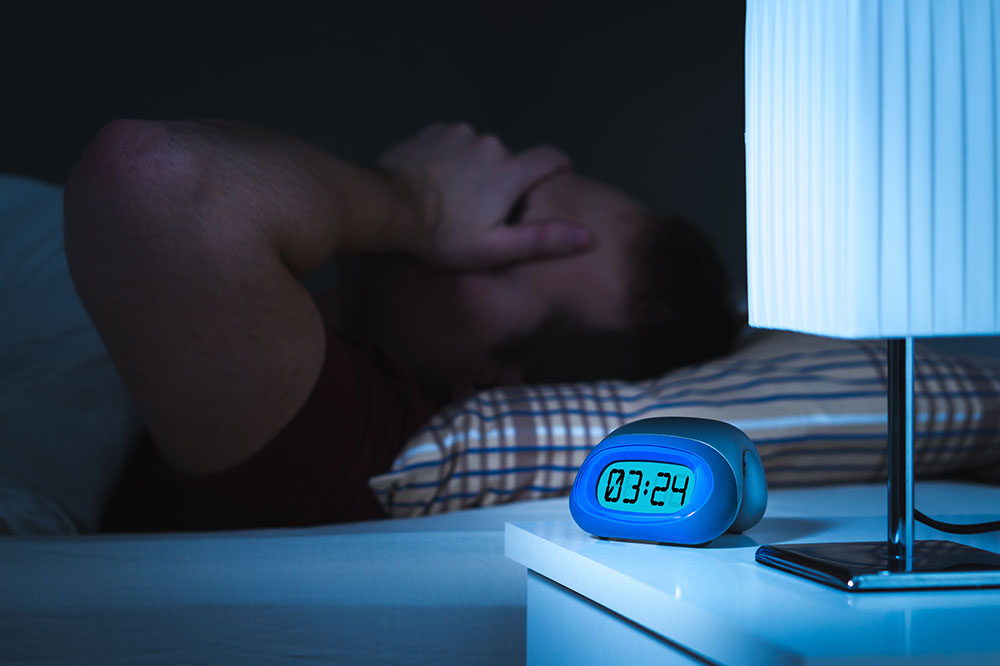
A custom oral appliance may be worth considering if you have obstructive sleep apnea (OSA), struggle with CPAP, or need treatment for persistent snoring.
You may be a candidate if you:
- Have mild to moderate obstructive sleep apnea.
- Have trouble tolerating CPAP or consistently using your machine.
- Prefer a quiet, portable treatment option without a mask.
- Have enough healthy teeth and stable gums to support an oral appliance.
- Want to explore an alternative in coordination with your sleep physician.
Oral appliance therapy may also be considered for people with severe sleep apnea who can’t tolerate or use CPAP. CPAP remains the preferred treatment for many patients, particularly those with severe OSA, so the appropriate approach depends on your diagnosis and individual circumstances.
An oral appliance may not be suitable for everyone. Significant gum disease, loose teeth, severe jaw joint pain, limited jaw movement, or primarily central sleep apnea may affect your options. Not sure whether you qualify? You don’t have to figure that out on your own. We’ll review your sleep history, dental health, and treatment experience to help determine whether a ProSomnus device is appropriate for you.
What Is a ProSomnus Sleep Apnea Device?
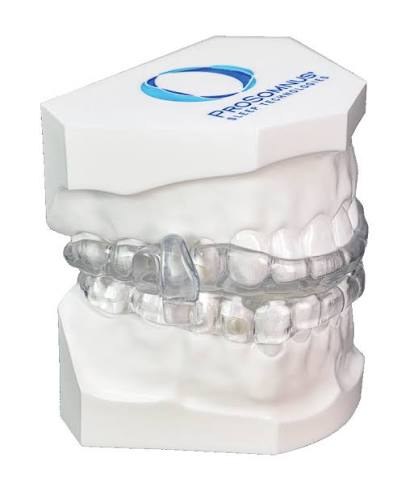
A ProSomnus device is a custom-made oral appliance therapy (OAT) used to treat obstructive sleep apnea. It fits over your teeth and is worn during sleep, similar to a slim retainer. This condition occurs when the airway narrows or blocks due to relaxed muscles and tissues, leading to breathing interruptions, snoring, and daytime fatigue.
The device works by gently advancing the lower jaw, which helps to keep the airway open. Unlike CPAP machines that use pressurized air, this oral appliance does not require electricity and is portable. The ProSomnus EVO line received FDA clearance in 2020 and is manufactured from medical-grade materials using digital records of your mouth.
What Makes the ProSomnus EVO Guided Device Different?

The ProSomnus EVO Guided Sleep and Snore Device is a newer design in the EVO family. Its design focuses on supporting the jaw and creating space in the airway while allowing more room for the tongue.
According to the manufacturer, EVO Guided offers several design features:
- Support for two airway regions. The device is intended to help open the velopharynx, behind the soft palate, and the oropharynx, behind the tongue. These are areas where airway narrowing can occur.
- More tongue space. Its anatomical splint design is intended to reduce crowding and guide the tongue forward. The manufacturer reports up to 14 times more tongue space compared with its stated design reference.
- Guided jaw positioning. A guided post mechanism helps stabilize the jaw in the prescribed position and supports mouth closure.
- A custom fit. The device is digitally manufactured from your own oral records rather than assembled from prefabricated components.
The goal is to provide a device that fits your anatomy and supports your prescribed jaw position without unnecessarily crowding your tongue. These design features don’t guarantee a particular treatment result. The right appliance and jaw position depend on your anatomy, diagnosis, comfort, and response to treatment.
ProSomnus vs. CPAP: Which Option Makes Sense for You?
Both CPAP and oral appliance therapy can play an important role in treating obstructive sleep apnea. The best option depends on your condition, treatment needs, and ability to use the therapy consistently.
CPAP may be a better fit if:
- You have severe OSA and need the treatment approach most likely to control your breathing events.
- You tolerate your mask and machine well.
- Your sleep physician recommends positive airway pressure as your primary treatment.
A ProSomnus oral appliance may be worth discussing if:
- You have mild to moderate OSA and want an alternative to CPAP.
- You cannot tolerate CPAP despite efforts to improve your experience.
- You prefer a quiet, compact device without a mask or hose.
- Your dental health and jaw function allow for safe appliance use.
Oral appliances are portable and require no electricity, although they still need daily cleaning, regular dental monitoring, and follow-up testing. CPAP requires a machine, mask, and tubing, along with routine equipment maintenance. Neither option should be chosen on convenience alone. The aim is to find treatment that effectively addresses your sleep apnea and that you can realistically use as prescribed. For a broader comparison of treatment options, visit our guide to CPAP alternatives in Nashua.

Do You Need a Sleep Test Before Getting a ProSomnus Device?
Yes. Obstructive sleep apnea is a medical condition that requires a proper diagnosis before treatment begins. A sleep test measures breathing patterns and other indicators during sleep. One important measurement is the apnea-hypopnea index (AHI), which counts breathing pauses and shallow breaths per hour. As a general guide:
- Mild OSA: AHI of 5 to 14.9.
- Moderate OSA: AHI of 15 to 29.9.
- Severe OSA: AHI of 30 or higher.
Your physician interprets your results and confirms your diagnosis. Testing may take place at home with a home sleep apnea test or in a sleep laboratory through an in-lab sleep study. Your physician determines which approach is appropriate for your situation. If you already have sleep test results, bring them to your consultation. If you have not been tested, our team can help explain the next steps.
After your oral appliance has been adjusted, follow-up sleep testing is important to confirm that the treatment is adequately controlling your sleep apnea. Feeling less tired or noticing less snoring does not, by itself, prove that your breathing events are under control.
What to Expect When You Visit the Center for Dental Sleep Health
If CPAP has been frustrating, we want to understand your experience before recommending another treatment. Dr. Keith Levesque explains the Center’s approach:
“First, we’ll listen. We want to understand your diagnosis, your experience with CPAP, and what has or hasn’t worked for you. We’ll explain oral appliance therapy, answer your questions, and determine whether it may be an appropriate alternative. Our goal is to help you find an effective treatment that you can realistically and comfortably use.”
Your treatment typically involves the following steps.
- Consultation and Review of Your Sleep History: We discuss your symptoms, sleep test results, health history, and previous treatments. This is your opportunity to explain what has been difficult about CPAP and what you hope to improve.
- Dental and Jaw Evaluation: We examine your teeth, gums, bite, and jaw joints to determine whether an oral appliance can be fitted safely. We also review your sleep-related concerns and the information needed to plan treatment.
- Custom Appliance Fabrication: If ProSomnus EVO Guided is appropriate, we collect digital records of your mouth to create an appliance that fits your anatomy.
- Fitting and Instructions: When your device is ready, we check its fit and show you how to insert, remove, clean, and store it.
- Gradual Adjustment: The appliance’s jaw position is adjusted over time to reach your prescribed treatment target while balancing effectiveness and comfort. This process is called titration.
- Follow-Up and Sleep Testing: We monitor your comfort, check your teeth and bite, and coordinate follow-up sleep testing with your physician to assess treatment effectiveness. Regular dental visits remain important throughout treatment.

Side Effects and Getting Used to Your Device
Like any treatment, oral appliance therapy has potential side effects. During the first few weeks, you may notice:
- Mild jaw, muscle, or tooth tenderness, particularly in the morning.
- Increased saliva or a dry mouth.
- A temporary feeling that your teeth fit together differently after removing the appliance.
These symptoms often improve as you adjust. However, gradual bite changes can occur with long-term use, and some patients experience ongoing jaw discomfort or other dental changes. Let us know if you experience persistent soreness, difficulty wearing the appliance, or changes in your bite. Adjustments may help, and regular monitoring allows us to identify concerns early.
If you have a history of jaw joint problems, we will evaluate that before recommending treatment. You can also learn more about sleep apnea and TMJ disorder.
How Long Does a ProSomnus Device Last?
With proper care, an oral appliance can last several years, although its lifespan varies depending on wear, maintenance, and individual circumstances.
To care for your device:
- Clean it daily according to the instructions provided by your dental team.
- Use a soft brush and the recommended cleaning method.
- Store it in its protective case when not in use.
- Keep it away from excessive heat.
- Bring it to your follow-up appointments so we can check its condition and fit.
Over time, an appliance may wear down or need replacement. Regular checkups help us identify when maintenance, adjustments, or a new device may be necessary.

What Does ProSomnus Treatment Cost, and Will Insurance Cover It?
The cost of a ProSomnus device depends on your treatment needs, insurance benefits, and the requirements of your plan. Rather than quoting a price that may not reflect your coverage, we can review your individual situation and explain the expected costs before treatment begins.
Oral appliance therapy is generally billed through medical insurance when it’s used to treat obstructive sleep apnea. Coverage varies by plan and may require:
- A sleep test confirming an OSA diagnosis.
- A prescription or referral from a qualified medical provider.
- Documentation of your treatment history, including CPAP intolerance when applicable.
- Prior authorization or other plan-specific requirements.
Many medical insurance plans cover custom oral appliances for eligible patients, but coverage isn’t guaranteed. Medicare coverage also depends on applicable eligibility and documentation requirements. Our team will help you understand your benefits and anticipated out-of-pocket expenses before moving forward. HSA or FSA funds may also be available for eligible expenses. Visit our financing page to explore payment options.
Meet Your Nashua Dental Sleep Medicine Team
At Center for Dental Sleep Health, we understand that treating sleep apnea involves more than choosing a device. It requires understanding the patient, the diagnosis, the airway, and the factors that affect whether treatment works over time.
Dr. Tara Levesque-Vogel describes how her approach to sleep medicine has developed:
“The more I’ve learned about sleep medicine, the more I’ve realized how much goes into treating it well. It’s not simply about choosing an appliance – it’s understanding the patient, their sleep, their airway and their overall health. That additional training has really changed the way I evaluate and approach each case. We’re committed to providing long term follow up to achieve maximum results”
Dr. Keith Levesque shares a similar commitment to helping patients find treatment that supports their daily lives and overall well-being.
Specialized training in dental sleep medicine matters because different appliances have different designs, indications, and adjustment requirements. Our doctors evaluate each patient before recommending an approach and emphasize ongoing follow-up to monitor comfort, dental health, and treatment effectiveness.
The Center also benefits from the guidance of Dr. Stephen Ura, a Diplomate of the American Board of Dental Sleep Medicine (ABDSM), who continues to mentor the team and support its clinical standards.


ProSomnus Treatment Near You in Nashua, NH
The Center for Dental Sleep Health is located at 193 Kinsley St., Nashua, NH 03060. We welcome patients seeking oral appliance therapy for snoring and obstructive sleep apnea from Nashua and nearby Southern New Hampshire communities, including:
- Hudson, NH
- Merrimack, NH
- Milford, NH
- Amherst, NH
- Hollis, NH
You do not need to know which appliance is right for you before contacting us. We can discuss your symptoms, review your existing sleep test information, and explain the next steps toward an appropriate treatment plan. Call (603) 886-4300 to schedule a consultation.
Frequently Asked Questions
What should I bring to my first ProSomnus consultation?
Bring your sleep test results if you have them, a list of your medications, your insurance card, and any information about the CPAP machine or mask you have tried. If you have not completed a sleep test, our team can help you understand the next steps.
Can ProSomnus treat snoring even if I do not have sleep apnea?
Yes, the ProSomnus EVO line is FDA-cleared for snoring as well as obstructive sleep apnea. Because persistent or loud snoring can be a sign of sleep apnea, a sleep evaluation can help determine whether you need treatment for an underlying breathing disorder.
Is a ProSomnus device the same as a sleep apnea mouth guard from the store?
No. Store-bought mouth guards generally don’t offer the same custom fit and precise adjustments as a professionally made sleep apnea appliance. A dentist can assess whether a custom device is appropriate for you and coordinate follow-up testing to check that it’s working.
Can I use a ProSomnus device if I wear dentures or am missing teeth?
It depends on your remaining teeth, gums, bite, and the type of dental restoration you have. Because an oral appliance needs adequate support to stay in position, we’ll evaluate your mouth and discuss whether ProSomnus or another treatment option may be appropriate.
Can I travel with my ProSomnus sleep apnea device?
Yes. The device is small, removable, and easy to pack in its storage case, making it convenient for trips. Clean it as directed, protect it from heat, and bring it with you so you can continue your prescribed treatment while traveling.
Let’s Talk About Your Sleep Apnea Treatment Options
If CPAP has been difficult to tolerate, you deserve a conversation about what else may be appropriate for you. At Center for Dental Sleep Health, Dr. Tara Levesque-Vogel and Dr. Keith Levesque will listen to your concerns, explain your options, and help determine whether a ProSomnus oral appliance fits your diagnosis and needs.
Call (603) 886-4300 to schedule a sleep apnea consultation in Nashua, NH. We welcome patients from Nashua, Hudson, Merrimack, Milford, Amherst, Hollis, and surrounding communities.