Understand Your Sleep Health with a Home Sleep Test
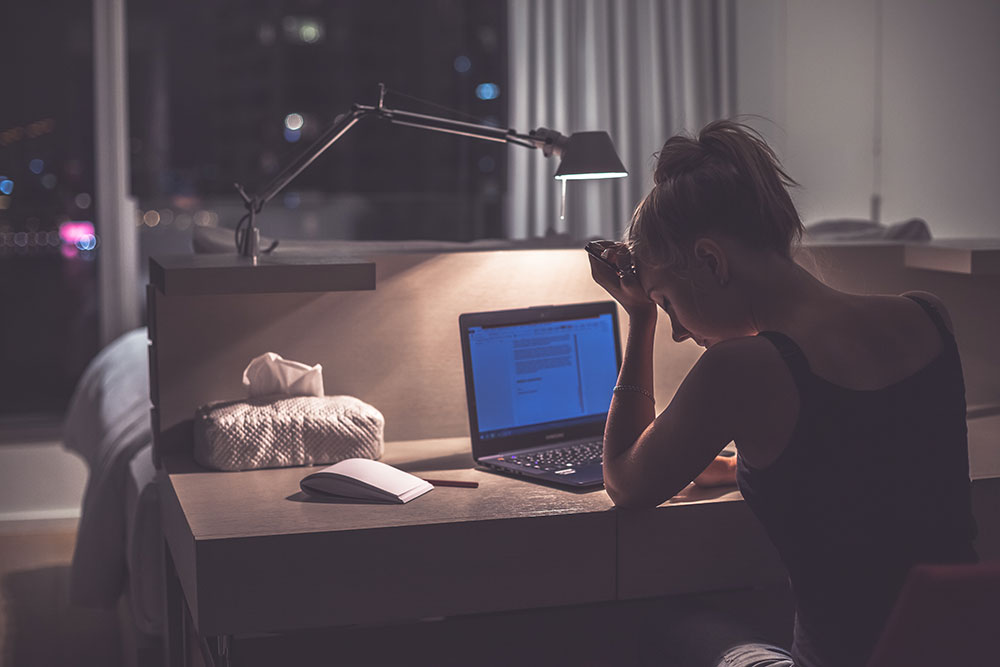
Loud snoring. Waking up gasping. Feeling wiped out by 2 p.m. no matter how early you went to bed. If any of that sounds familiar, a home sleep test is often the fastest, least disruptive way to find out what’s actually happening while you sleep—no wires-in-a-lab overnight stay required.
At the Center for Dental Sleep Health, our sleep doctor near you, Dr. Stephen Ura, a Diplomate of the American Board of Dental Sleep Medicine, helps patients throughout Nashua and the surrounding Southern New Hampshire communities get tested, get answers, and move toward treatment—including oral appliance therapy for patients who’d rather not deal with a CPAP mask. Call Center for Dental Sleep Health at (603) 886-4300 to schedule your consultation with our dentist in Nashua, NH.
What Is a Home Sleep Test?
A home sleep test, sometimes called a home sleep apnea test or HSAT, is an FDA-cleared diagnostic tool you use overnight in your own bed. A small monitor, often something like the WatchPAT ONE, a single-use, disposable device, tracks airflow, oxygen levels, heart rate, and breathing effort while you sleep normally at home.
It’s a different tool than an in-lab polysomnography (PSG) study, which uses EEG and EMG sensors to monitor brain waves and muscle activity overnight in a sleep center. A full PSG is still the right call for complex cases. This includes evaluating parasomnias like sleepwalking or night terrors, ruling out central sleep apnea, or running a follow-up MSLT for suspected narcolepsy. But for most adults with the classic warning signs of obstructive sleep apnea (OSA), a home sleep test gives your sleep doctor everything needed for an accurate diagnosis, without an unfamiliar bed or a night hooked to a dozen sensors.
Signs You Might Be a Candidate
You don’t need a referral in hand to start wondering if a home sleep test makes sense. Common signs patients bring to Dr. Ura include:
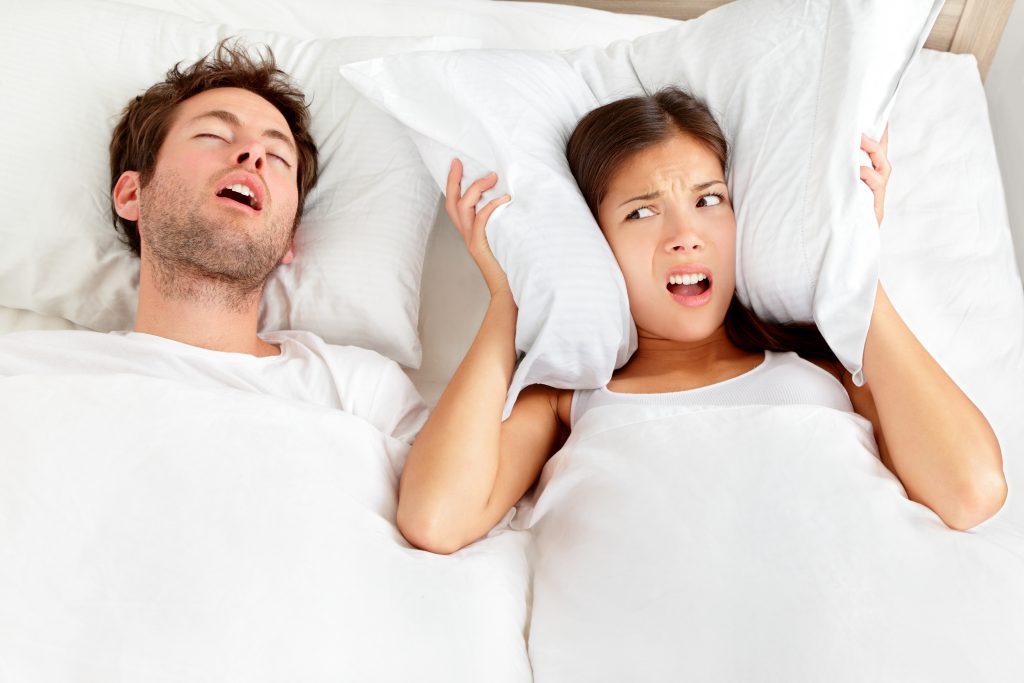
- Frequent loud snoring, especially if a partner reports pauses in breathing or gasping
- Waking up feeling just as tired as when you went to bed
- Morning headaches or a dry, sore throat
- Difficulty staying focused or awake during the day
- High blood pressure that hasn’t responded well to treatment
None of these guarantee sleep apnea on their own, but together they’re worth a conversation with a sleep doctor rather than something to push through.
What Happens During the Test
Once you’re set up with a home sleep test, here’s roughly what one night looks like:
- Pick up or receive your device. You’ll get simple, guided instructions—no clinical training needed.
- Wear it to bed as usual. The sensor tracks your AHI (Apnea-Hypopnea Index) and RDI (Respiratory Disturbance Index)—the two key numbers used to score severity—along with oxygen saturation and heart rate.
- Sleep in your own bed. For most patients, this means more natural sleep than an unfamiliar lab room produces.
- Return the device or sync the data. A sleep physician reviews and scores the results.
- Meet with Dr. Ura to talk through what it means—including whether oral appliance therapy is a fit.

Home Sleep Test vs. In-Lab Sleep Study
| Home Sleep Test | In-Lab Polysomnography | |
| Where | Your own bed | Overnight sleep center |
| What it measures | Airflow, oxygen, heart rate, breathing effort | All of the above, plus EEG/EMG brain and muscle activity |
| Best for | Suspected obstructive sleep apnea in otherwise healthy adults | Complex cases: parasomnias, central sleep apnea, suspected narcolepsy (MSLT) |
| Setup | Self-administered overnight | Technician-monitored |
| Comfort | Familiar surroundings | Clinical environment |
Why Patients Choose Oral Appliance Therapy Over CPAP
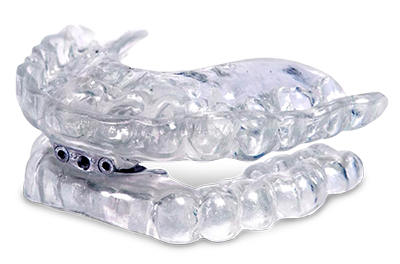
A home sleep test is a means to an end. Most patients want to know what to actually do about the results. For adults with mild to moderate OSA, or anyone who’s tried CPAP and abandoned it (a common story), a custom oral appliance is often a more livable long-term fit. It’s a small device worn at night that repositions the jaw to keep the airway open—no mask, no hose, no machine noise, and nothing to pack for travel.
Dr. Ura’s diplomate status with the American Board of Dental Sleep Medicine means this isn’t a side offering—dental sleep medicine is the practice’s focus. Patients from Nashua, Hudson, Merrimack, Milford, and Amherst come to our dentist near you specifically for this expertise.
Insurance, Medicaid, and Cost Questions
Insurance coverage for home sleep studies depends on your specific provider and plan. While many insurers and Medicaid offer full or partial coverage when the test is prescribed as part of a formal evaluation, some require pre-authorization. To ensure peace of mind, our staff will verify your coverage prior to scheduling. If you are paying out-of-pocket, flexible financing options are available—just ask us for details during your call.
In addition to partnering with numerous private insurance providers, Dr. Ura is a credentialed Medicare DME provider. If you have questions about your coverage, call our team at (603) 886-4300 so we can check your benefits before your initial visit.
Frequently Asked Questions
Is a home sleep test as accurate as an in-lab study?
For diagnosing straightforward obstructive sleep apnea, yes—home sleep tests are well-validated and are the recommended first step for most adults with classic symptoms. In-lab testing is reserved for more complex evaluations.
Do I need a referral to get a home sleep test near me?
Typically yes. A physician referral or an evaluation with our sleep doctor near you starts the process, which keeps the diagnosis and treatment plan medically grounded.
What if my home sleep test comes back normal but I still feel exhausted?
Fatigue has a lot of possible causes—insomnia, sleep-onset issues, or disorders a home device isn’t designed to catch. Dr. Ura can help determine whether further evaluation, including in-lab testing, makes sense.
Can I do a virtual consultation before scheduling in person?
Ask our team when you call. Many dental sleep practices now offer a virtual intake option for the initial conversation, which can save a trip before your in-person visit.
Take the First Step Toward Better Sleep
Ready to schedule a home sleep test? Contact our Nashua dental office at (603) 886-4300 to speak with our team, or fill out the online contact form. We’ll walk you through the referral and scheduling process from there. We regularly see patients from Hudson, Merrimack, Milford, Amherst, and across Southern New Hampshire, in addition to Nashua.